





































Ready to care for your smile with confidence.
For more information or to schedule a consultation with a dentist at Global Dental Complex, please contact us.
📞 Call / WhatsApp: (+66) 065-669-9191
💬 LINE: @globaldentalcpx
🌐 Website: globaldentalcomplex.com/th
Book your consultation today and start planning the treatment that is right for you.
Dental Crowns and Bridges in Bangkok: Restore Your Natural Smile
What is dental crown?
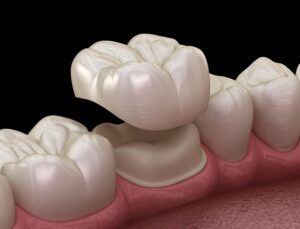
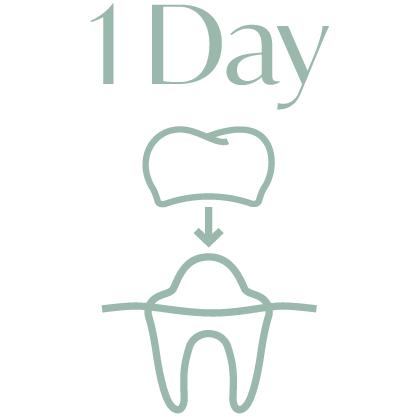
A dental crown is a tooth-shaped cap that is placed over a damaged or decayed tooth to restore its shape, size, strength, and appearance.
Ready to care for your smile with confidence.
For more information or to schedule a consultation with a dentist at Global Dental Complex, please contact us.
📞 Call / WhatsApp: (+66) 065-669-9191
💬 LINE: @globaldentalcpx
🌐 Website: globaldentalcomplex.com/th
Book your consultation today and start planning the treatment that is right for you.
When do I need a crown?
Dental crown may be recommended for a variety of reasons, including:
- To protect a tooth that is weak or damaged such as large decay or cavity, crack tooth, fracture tooth, worn tooth
- To support a tooth with a large filling or after root canal treatment
- To improve the appearance of a misshapen or discolored tooth
- To attach a dental bridge or cover a dental implant
What is the process of getting dental crowns in Bangkok?
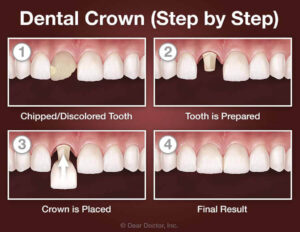
The process of getting a Bangkok dental crown typically involves two appointments. During the first appointment, the tooth is prepared by removing any decay and shaping it to make room for the crown. An impression or scan is then taken of the tooth and sent to a dental laboratory where the crown is custom-made to fit the patient’s mouth. A temporary crown is placed over the prepared tooth to protect it while the permanent crown is being made.
During the second appointment, the temporary crown is removed and the permanent dental crown in Bangkok is placed over the tooth and cemented in place. The dentist will check the fit and make any necessary adjustments to ensure that the crown is comfortable and looks natural.
Dental crowns can last for many years with proper care and maintenance, including regular brushing, flossing, and dental check-ups. It is important to consult with a qualified dental professional to determine if a dental crown is the right solution for your specific needs and circumstances.
How many types are dental crown?
1. All ceramic crown: the best optical property closest to natural tooth.
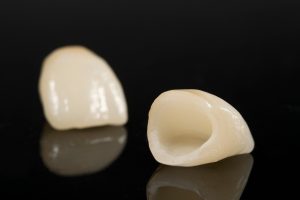
2. Metal-ceramic crown: It consists of metal substructure with porcelain on top. It can cause black gum margin.
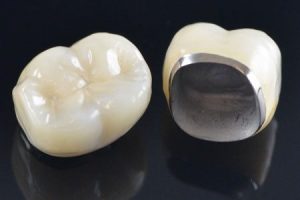
3. Full metal crown: The whole crown is metal normally used in posterior tooth for high strength purpose.
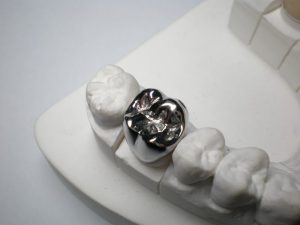
What is Dental Bridge?
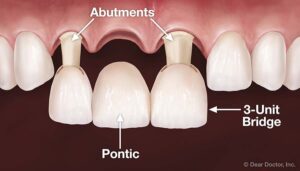
A dental bridge is a fixed dental restoration used to replace one or more missing teeth by permanently attaching to adjacent natural teeth or dental implants. The adjacent teeth are typically prepared by removing a small amount of enamel to make room for the bridge, which is then cemented in place.
How many types are dental bridge?
There are several types of dental bridges, including traditional bridges, cantilever bridges, and maryland bridges.
1.Traditional bridge are the most common type and consist of two dental crowns placed over the natural teeth on either side of the gap, with a prosthetic tooth (or teeth) attached in the middle.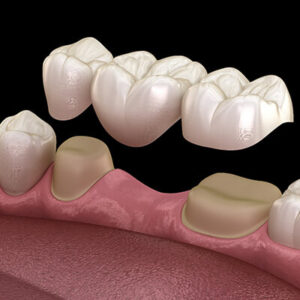
2.Cantilever bridge are similar but are only attached to one adjacent tooth.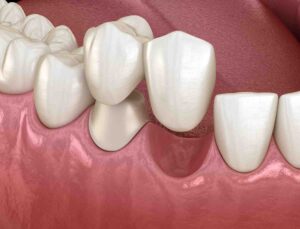
3.Maryland bridge, also known as resin-bonded bridge, use a metal or porcelain framework bonded to the back of adjacent teeth with a resin cement.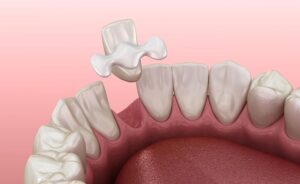
Dental bridge can be a good option for patients who have lost one or more teeth but still have healthy natural teeth adjacent to the gap. They can improve the appearance of the smile, restore the ability to chew and speak properly, and prevent the remaining teeth from shifting out of position.
What is disadvantages of dental bridge?
The adjacent natural teeth need to be prepared by removing some enamel, which can weaken them and make them more susceptible to decay and other issues. Bridge may also need to be replaced after a certain amount of time, depending on the materials used and the patient’s oral hygiene habits.
It is important to consult with a qualified prosthodontist to determine if a dental bridge is the right solution for your specific needs and circumstances.
For more information on dental bridges or dental crowns in Bangkok, contact Global Dental Complex today, or make an appointment for your Bangkok dental crowns now.
Dental Crowns and Bridges in Bangkok
Damaged, weakened, or missing teeth can affect the way you chew, speak, and smile. When a tooth is too damaged for a simple filling, a dental crown may be recommended to protect and restore it. When one or more teeth are missing, a dental bridge may be used to fill the gap and restore function. Dental Crowns and Bridges in Bangkok help patients rebuild damaged teeth, replace missing teeth, and improve both oral health and smile appearance.
Dental crowns and bridges are common restorative treatments used for patients with cracked teeth, large cavities, root canal treated teeth, worn teeth, missing teeth, or old restorations that need replacement. They can be made from different materials, including ceramic, porcelain, zirconia, porcelain-fused-to-metal, or metal alloys, depending on the tooth location, bite force, aesthetic needs, and budget.
Whether you live in Bangkok, are an expat, or are visiting Thailand for dental treatment, a proper dental examination is the first step. The dentist will evaluate your teeth, gums, bite, bone support, and treatment goals before recommending a crown, bridge, implant, or another suitable option.
What Are Dental Crowns?
A dental crown is a custom-made restoration that covers the visible part of a tooth. It is often used when a tooth is cracked, heavily filled, weakened, worn down, or treated with root canal therapy. The crown helps protect the remaining tooth structure and restores the tooth’s shape, strength, and function.
Dental crowns can also be used for cosmetic reasons, such as improving the shape, color, or alignment of a tooth. However, a crown is usually recommended when the tooth needs more protection than a filling, bonding, veneer, inlay, or onlay can provide.
Dental Crowns and Bridges in Bangkok may include single crowns, implant crowns, zirconia crowns, ceramic crowns, or crowns used as part of a bridge treatment plan.
What Are Dental Bridges?
A dental bridge is a fixed restoration used to replace one or more missing teeth. It usually consists of artificial teeth supported by natural teeth or dental implants on either side of the gap.
Traditional bridges are supported by crowns placed on the neighboring teeth. These supporting teeth are prepared and covered with crowns, while the artificial tooth fills the missing space. Implant-supported bridges use dental implants as support instead of natural teeth.
A bridge can restore chewing function, prevent nearby teeth from shifting, support speech, and improve the appearance of the smile. The best bridge design depends on the number of missing teeth, condition of the supporting teeth, bite pressure, gum health, and long-term oral health goals.
When Do You Need a Dental Crown?
A crown may be recommended when a tooth has lost too much structure to be restored predictably with a filling. It may also be used to protect a tooth after root canal treatment or strengthen a cracked tooth.
You may need a dental crown if you have:
- A large cavity that cannot be restored with a simple filling
- A cracked, broken, or weakened tooth
- A tooth with a large old filling
- A root canal treated tooth that needs protection
- Severely worn teeth from grinding or acid erosion
- A discolored or misshapen tooth affecting your smile
- A dental implant that needs a final crown
- A tooth used to support a dental bridge
The goal of a crown is to preserve the remaining tooth, restore function, and reduce the risk of further fracture.
When Do You Need a Dental Bridge?
A bridge may be recommended when one or more teeth are missing and the gap needs to be restored. Missing teeth can affect chewing, speech, facial support, and the position of neighboring teeth.
You may need a dental bridge if you have:
- One or more missing teeth
- Difficulty chewing because of a tooth gap
- Neighboring teeth shifting into the empty space
- A visible gap affecting your smile
- Missing teeth but prefer a fixed option instead of a removable denture
- Supporting teeth that already need crowns
- A situation where dental implants are not suitable or not preferred
Bridges can be effective, but they are not the best choice for every patient. If the supporting teeth are healthy and untouched, dental implants may be considered as an alternative because they do not require preparing neighboring teeth.
Dental Crowns vs. Dental Bridges
A dental crown restores a single damaged tooth. A dental bridge replaces one or more missing teeth. Although bridges use crowns as part of their design, the treatment purpose is different.
A crown is used when the natural tooth is still present but needs protection. A bridge is used when a tooth is missing and an artificial tooth is needed to fill the gap.
For patients considering Dental Crowns and Bridges in Bangkok, the dentist will explain whether your case requires repairing an existing tooth, replacing a missing tooth, or combining both treatments.
Types of Dental Crowns
All-Ceramic Crowns
All-ceramic crowns are metal-free and can provide a natural appearance. They are often chosen for front teeth or visible areas because they can match natural tooth color and translucency well.
Zirconia Crowns
Zirconia crowns are strong, durable, and metal-free. They may be used for both front and back teeth depending on the design. Zirconia is often recommended when strength is important, especially for patients with stronger bite forces.
Porcelain-Fused-to-Metal Crowns
Porcelain-fused-to-metal crowns have a metal base covered with porcelain. They can be strong and functional, but may show a dark line near the gumline over time, especially if the gum recedes.
Gold or Metal Crowns
Metal crowns are very durable and may be used in areas where appearance is less important. However, many patients today prefer tooth-colored materials for aesthetic reasons.
Types of Dental Bridges
Traditional Dental Bridge
A traditional bridge is supported by crowns on the teeth next to the missing tooth. It is commonly used when the neighboring teeth are strong enough to support the bridge, especially if they already need crowns.
Implant-Supported Bridge
An implant-supported bridge uses dental implants as anchors instead of natural teeth. This may be suitable when several teeth are missing and the patient has enough bone and healthy gums to support implants.
Cantilever Bridge
A cantilever bridge is supported on only one side. It is used less commonly and only in selected cases because it can place more force on the supporting tooth.
Maryland Bridge
A Maryland bridge uses wings bonded to the back of neighboring teeth. It is more conservative than a traditional bridge, but it may not be suitable for all bite conditions or heavy chewing areas.
Benefits of Dental Crowns and Bridges
1. Restores Chewing Function
Damaged or missing teeth can make chewing uncomfortable. Dental Crowns and Bridges in Bangkok can help restore bite function so patients can eat more comfortably and use both sides of the mouth more effectively.
2. Protects Weakened Teeth
A crown can help protect a tooth that is cracked, heavily filled, or weakened after root canal treatment. This reduces the risk of further fracture and helps preserve the tooth for longer.
3. Replaces Missing Teeth
A bridge fills the space left by missing teeth. This can improve smile appearance, speech, chewing, and prevent neighboring teeth from drifting into the gap.
4. Improves Smile Appearance
Modern crowns and bridges can be designed to match natural teeth in color, shape, and size. This is especially important for visible teeth in the smile zone.
5. Fixed and Comfortable
Unlike removable dentures, crowns and bridges are fixed in place. Patients do not need to remove them daily for cleaning, although careful brushing and flossing are still essential.
The Dental Crown Procedure
1. Examination and Treatment Planning
The dentist examines the tooth, takes X-rays if needed, and determines whether a crown is the right option. If the tooth has decay, cracks, infection, or old restorations, these must be addressed first.
2. Tooth Preparation
The tooth is shaped to create space for the crown. Damaged or decayed areas are removed, and the tooth is built up if necessary.
3. Impression or Digital Scan
A digital scan or impression is taken so the crown can be made to fit your tooth and bite accurately.
4. Temporary Crown
A temporary crown may be placed while the final crown is being made. This protects the prepared tooth and helps maintain appearance and function.
5. Final Crown Placement
At the next visit, the dentist checks the final crown for fit, bite, color, and comfort. Once approved, the crown is cemented or bonded into place.
The Dental Bridge Procedure
1. Consultation and Diagnosis
The dentist evaluates the missing tooth area, supporting teeth, gums, bite, and bone condition. X-rays may be needed to check the health of the surrounding teeth and roots.
2. Preparing the Supporting Teeth
For a traditional bridge, the teeth next to the gap are shaped to receive crowns. These teeth must be strong enough to support the bridge.
3. Impression or Digital Scan
Records are taken and sent to the dental laboratory. The bridge is designed to fit the prepared teeth and replace the missing tooth naturally.
4. Temporary Bridge
A temporary bridge may be placed to protect the teeth and maintain appearance while the final bridge is made.
5. Final Bridge Placement
The final bridge is checked for fit, bite, appearance, and comfort. After adjustments, it is cemented into place.
Dental Crowns and Bridges for Expats and International Patients in Bangkok
Bangkok is a popular destination for dental care among expats, travelers, and international patients. Dental Crowns and Bridges in Bangkok may be suitable for patients who need to restore damaged teeth, replace missing teeth, or upgrade old dental work while staying in Thailand.
If you are traveling for treatment, it is important to plan enough time for consultation, tooth preparation, laboratory work, fitting, and possible adjustments. Some cases can be completed in a short period, while more complex cases involving root canal treatment, gum disease, implants, or multiple restorations may require longer planning.
Bring previous dental records, X-rays, implant details, or information about old crowns and bridges if available. This helps the dentist plan treatment more accurately.
How Long Do Crowns and Bridges Last?
The lifespan of crowns and bridges depends on the material, oral hygiene, bite force, tooth support, gum health, and maintenance. Well-made crowns and bridges can last many years, but they are not permanent for life.
Common reasons crowns or bridges may need replacement include decay around the edges, gum recession, porcelain chipping, wear, loose fit, fractured supporting tooth, or changes in bite. Regular dental check-ups help detect issues early.
How to Care for Dental Crowns and Bridges
Crowns and bridges need daily care just like natural teeth. Even though the restoration itself cannot decay, the natural tooth underneath or supporting teeth can still develop cavities or gum disease.
- Brush at least twice daily
- Floss around crowns every day
- Use floss threaders or interdental brushes under bridges
- Avoid biting hard objects such as ice, pens, or nutshells
- Wear a night guard if you grind or clench your teeth
- Attend regular dental check-ups and cleanings
- Report looseness, pain, or bite discomfort early
Cleaning under a bridge is especially important because food and plaque can collect beneath the artificial tooth.
Dental Crowns and Bridges vs. Dental Implants
Dental implants and bridges can both replace missing teeth, but they work differently. A bridge uses neighboring teeth or implants for support. A single dental implant replaces the missing tooth root and supports a crown without preparing adjacent teeth.
If the neighboring teeth are healthy, an implant may be a more conservative option because it does not require shaping those teeth. However, if the neighboring teeth already need crowns, a bridge may be practical.
The best choice depends on bone condition, gum health, number of missing teeth, treatment time, budget, medical history, and patient preference.
When Should an Old Crown or Bridge Be Replaced?
Old crowns and bridges may need replacement if they no longer fit properly, look unnatural, or show signs of damage. However, not every old restoration needs to be replaced if it is still healthy and functioning well.
Signs replacement may be needed include:
- Pain or sensitivity around the crown or bridge
- Bad smell or taste near the restoration
- Visible gap at the crown margin
- Loose crown or bridge
- Chipped or cracked porcelain
- Gum swelling or bleeding around the restoration
- Decay under or around the crown
- Food trapping under the bridge
- Unnatural color or dark gumline affecting appearance
Are Dental Crowns and Bridges Painful?
The procedure is usually performed with local anesthesia, so the tooth and surrounding area should be numb during preparation. You may feel pressure or vibration, but sharp pain should not be felt.
After treatment, mild sensitivity or gum soreness may occur temporarily. If discomfort continues, the bite feels high, or pain worsens, you should return to the dentist for evaluation.
Choosing the Right Material
The best crown or bridge material depends on where the restoration is placed and what the patient needs most: strength, aesthetics, or both.
For front teeth, highly aesthetic ceramic materials may be preferred. For back teeth, stronger materials such as zirconia may be recommended. For long bridges or heavy bite cases, the dentist will carefully consider material strength and design.
Patients who grind their teeth may need extra protection, such as a night guard, to reduce the risk of chipping or fracture.
Risks and Limitations
Like any dental treatment, Dental Crowns and Bridges in Bangkok have risks and limitations. Possible issues include sensitivity, gum irritation, crown loosening, porcelain chipping, decay under the restoration, bridge failure, bite discomfort, or the need for future replacement.
A bridge also depends on the health of the supporting teeth. If one supporting tooth develops decay, fracture, or gum disease, the entire bridge may be affected. This is why proper cleaning and regular check-ups are essential.
Questions to Ask Your Dentist
Before getting a crown or bridge, useful questions include:
- Do I need a crown, filling, onlay, bridge, or implant?
- What material is best for my case?
- How many visits will treatment require?
- Will I need root canal treatment first?
- How long is the crown or bridge expected to last?
- How should I clean under the bridge?
- Do I need a night guard?
- What are the risks in my case?
- Can the restoration match my natural teeth?
Conclusion: Crowns and Bridges Restore Strength, Function, and Confidence
Dental Crowns and Bridges in Bangkok are reliable restorative options for patients with damaged, weakened, or missing teeth. Crowns protect and rebuild individual teeth, while bridges replace missing teeth and restore chewing function and smile appearance.
The best result depends on proper diagnosis, material selection, tooth preparation, bite planning, and long-term maintenance. If you have a broken tooth, old crown, missing tooth, or difficulty chewing, a dental consultation can help determine whether a crown, bridge, implant, or another treatment is the most suitable choice.
Frequently Asked Questions About Dental Crowns and Bridges in Bangkok
What is the difference between a dental crown and a bridge?
A dental crown covers and protects a damaged tooth. A dental bridge replaces one or more missing teeth by using neighboring teeth or implants as support.
How long do dental crowns and bridges last?
Crowns and bridges can last many years with good oral hygiene, proper bite balance, and regular dental check-ups. They may need replacement over time due to wear, decay, gum changes, or damage.
Are crowns and bridges painful?
The procedure is usually performed under local anesthesia, so sharp pain should not be felt. Mild sensitivity or gum soreness may occur temporarily after treatment.
Which crown material is best?
The best material depends on tooth location, bite force, cosmetic needs, and budget. Ceramic crowns are often chosen for aesthetics, while zirconia crowns are commonly used when strength is important.
Can a bridge replace several missing teeth?
Yes, a bridge can replace one or more missing teeth. The design depends on the number of missing teeth, supporting teeth, bite force, and whether implants are used.
Do I need a dental implant instead of a bridge?
Not always. Implants and bridges are both options for missing teeth. Implants may be more conservative when neighboring teeth are healthy, while bridges may be suitable when adjacent teeth already need crowns.
How do I clean under a dental bridge?
You need to clean under the artificial tooth using floss threaders, interdental brushes, or other tools recommended by your dentist. Regular brushing alone is not enough to clean under a bridge.