





































Ready to care for your smile with confidence.
For more information or to schedule a consultation with a dentist at Global Dental Complex, please contact us.
📞 Call / WhatsApp: (+66) 065-669-9191
💬 LINE: @globaldentalcpx
🌐 Website: globaldentalcomplex.com/th
Book your consultation today and start planning the treatment that is right for you.
Gum Treatment and Periodontal Care in Bangkok
What Causes Gum Disease?
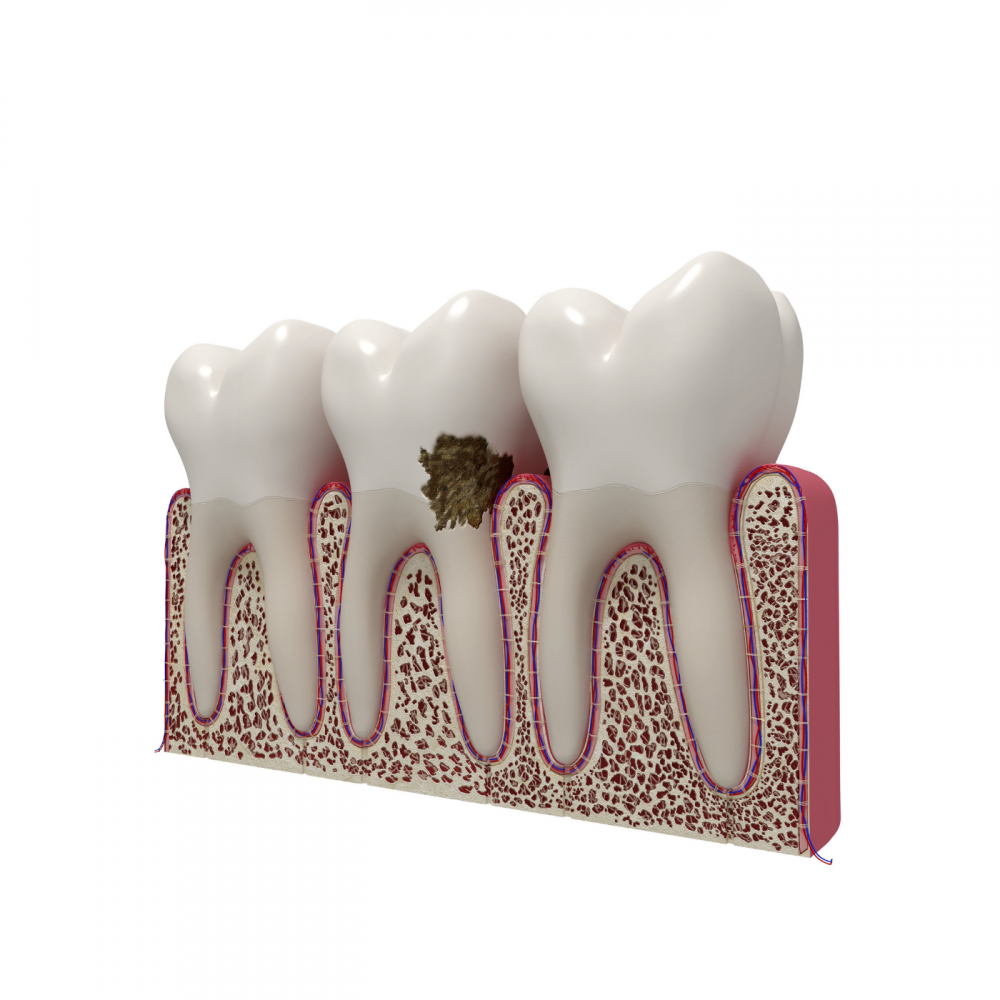
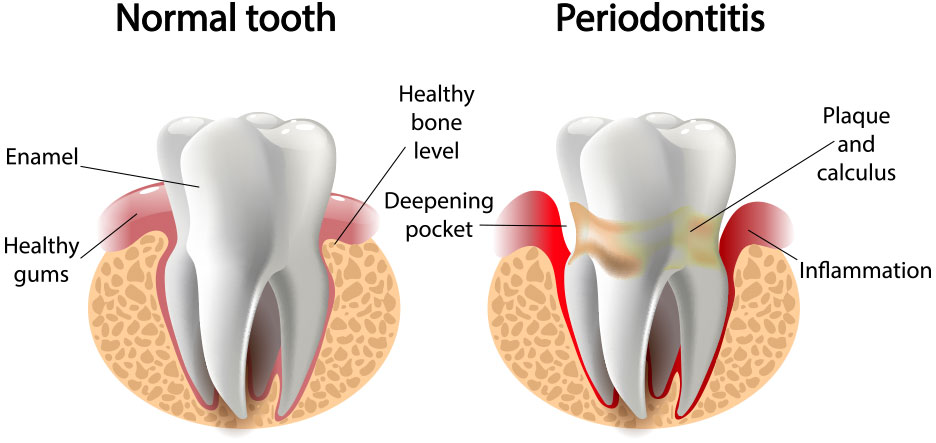
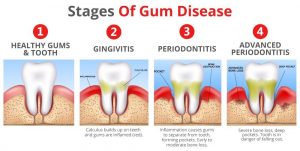
Bacterial plaque that attaches to tooth surface gets hardened from calcium deposition and turns into calculus. Bacteria uses this calculus as habitat and release toxin to destroy your gum. When gum gets inflammation, the space between gum and tooth gets wider and calculus can deposit deeper into this periodontal pocket causing destruction of gum and bone around your tooth. Your tooth will start to have mobility and pus from this deep periodontal pocket.
Types of Gum and Periodontal Disease
1. Gingival disease: Gingival inflammation without destruction of surrounding bone.
2. Periodontal disease: Gingival inflammation with destruction of surrounding bone.
Our Professional Gum Treatment Procedures
1. Full mouth periodontal pocket measurement and radiograph.
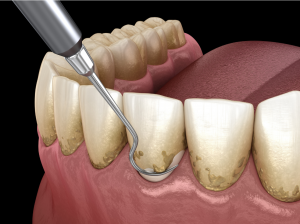
2. Full mouth scaling to remove calculus in the periodontal pocket.
3. Full mouth root planning to smoothen root surface creating good bond between gingiva and root.
4. Periodontal surgery in order to remove all the calculus for the case that pocket depth is not improved or in need of bone regeneration in some cases.
5. Periodic scaling & root planning every 3-6 months to maintain good gingival health depending on patient’s oral hygiene.
Gum Treatment vs. Regular Teeth Cleaning
Normal teeth cleaning is to remove bacterial plaque and calculus above the gum which normally can be completed within one visit with general dentist. However, for gum treatment, our specialist (Periodontist) will remove bacterial plaque and calculus both above and below the gum which need special training and instruments to be able to do it. This is because if the calculus is left in the periodontal pocket, it will cause recurring and more severe gum disease. Gum treatment normally requires more than one visit to be completed.
Gum Treatment and Periodontal Care in Bangkok
Healthy gums are the foundation of a healthy smile. When the gums become inflamed, infected, or start pulling away from the teeth, the problem can affect not only your appearance but also your long-term oral health. Gum Treatment and Periodontal Care in Bangkok helps patients manage bleeding gums, gum recession, loose teeth, bad breath, deep gum pockets, and other signs of gum disease with professional diagnosis and personalized care.
Gum disease often begins quietly. Many patients notice only mild bleeding when brushing or flossing, but over time the condition can progress into periodontitis, a more serious form of gum disease that affects the bone and tissues supporting the teeth. If left untreated, advanced periodontal disease can lead to gum recession, tooth mobility, infection, and eventual tooth loss. Plaque and tartar buildup are major causes of gum inflammation and periodontal disease, and treatment may range from professional cleaning to deep cleaning, surgery, or long-term maintenance depending on severity. :contentReference[oaicite:0]{index=0}
Whether you live in Bangkok, are an expat, or are visiting Thailand for dental care, early periodontal evaluation can help identify the cause of your gum problem and create a treatment plan that protects your teeth for the future.
What Is Periodontal Care?
Gum Treatment and Periodontal Care in Bangkok focuses on the prevention, diagnosis, and treatment of gum disease and conditions affecting the supporting structures of the teeth. These structures include the gums, periodontal ligament, and jawbone around the teeth.
Periodontal care is more than a regular dental cleaning. While a routine cleaning removes plaque and tartar from visible tooth surfaces, periodontal treatment may involve cleaning below the gumline, measuring gum pockets, treating infection, managing bone loss, and creating a long-term maintenance plan to keep the disease under control.
The goal is to stop the progression of gum disease, reduce inflammation, improve gum health, protect supporting bone, and help patients keep their natural teeth as long as possible.
Signs You May Need Gum Treatment
Gum disease can develop gradually, and early symptoms may be easy to ignore. However, bleeding gums or persistent bad breath should not be considered normal. A professional examination is important if symptoms continue or become more noticeable.
You may need Gum Treatment and Periodontal Care in Bangkok if you experience:
- Bleeding gums when brushing or flossing
- Red, swollen, or tender gums
- Persistent bad breath
- Gum recession or teeth that look longer
- Sensitivity near the gumline
- Deep spaces or pockets between teeth and gums
- Loose or shifting teeth
- Pus around the gums
- Pain when chewing
- Changes in the way your teeth bite together
- Food trapping between teeth and gums
- Gums that pull away from the teeth
Even if you do not have pain, gum disease may still be present. Periodontal problems are often painless in the early stages, which is why regular dental checkups are important.
Common Causes of Gum Disease
The most common cause of gum disease is plaque, a sticky film of bacteria that forms on the teeth. If plaque is not removed properly, it can harden into tartar. Tartar cannot be removed by brushing alone and can irritate the gums, especially when it builds up below the gumline.
Other factors that may increase the risk of gum disease include:
- Poor oral hygiene
- Smoking or tobacco use
- Diabetes or blood sugar control problems
- Genetic tendency to gum disease
- Hormonal changes
- Stress
- Certain medications that affect gum tissue or dry mouth
- Teeth grinding or clenching
- Crowded teeth that are difficult to clean
- Poorly fitting dental restorations
- Reduced immune response
Good periodontal care starts with identifying the cause. If the underlying risk factors are not controlled, gum disease may return even after treatment.
Gingivitis vs. Periodontitis
Gingivitis
Gingivitis is the early stage of gum disease. The gums may look red, swollen, or bleed easily, but the supporting bone around the teeth is usually not permanently damaged at this stage. With proper cleaning, improved oral hygiene, and regular dental care, gingivitis can often be reversed.
Periodontitis
Periodontitis is a more advanced form of gum disease. The gum tissue begins to pull away from the teeth, forming pockets where bacteria can collect. Over time, the infection can damage the bone and supporting tissues. Periodontitis requires professional treatment and long-term maintenance because the lost support may not fully return on its own.
Gum Treatment and Periodontal Care in Bangkok helps determine whether your condition is gingivitis, periodontitis, or another gum-related problem, then recommends the appropriate level of care.
What Happens During a Periodontal Examination?
1. Gum and Tooth Assessment
Your dentist or periodontist will examine your gums, teeth, bite, oral hygiene, and any dental restorations. They will look for inflammation, recession, bleeding, mobility, and signs of infection.
2. Periodontal Pocket Measurement
A small measuring instrument may be used to check the depth of the spaces between your teeth and gums. Healthy gums usually have shallow spaces, while deeper pockets may indicate gum disease. The measurements help determine the severity of the condition.
3. X-rays or 3D Imaging
Dental X-rays may be taken to evaluate bone levels around the teeth. In complex cases, advanced imaging may be recommended to assess bone loss, infection, or other structures more clearly.
4. Diagnosis and Treatment Planning
After the examination, the dentist will explain the condition of your gums and recommend treatment. The plan may include professional cleaning, scaling and root planing, periodontal maintenance, medication, surgery, or referral to a specialist if needed.
Gum Treatment Options
Professional Dental Cleaning
For mild gum inflammation or gingivitis, professional cleaning may be enough to remove plaque and tartar buildup above the gumline. Your dentist will also guide you on brushing, flossing, and home care to prevent the problem from returning.
Scaling and Root Planing
Scaling and root planing, often called deep cleaning, is a common non-surgical periodontal treatment. Scaling removes plaque and tartar from above and below the gumline, while root planing smooths the root surfaces to help reduce bacterial buildup and support gum healing. :contentReference[oaicite:1]{index=1}
This treatment may be performed under local anesthesia, especially when deep gum pockets are present. It may be completed in one or more appointments depending on the severity and number of areas involved.
Periodontal Medication
In some cases, medication may be used to help control infection or inflammation. This may include antimicrobial mouth rinses, localized medication placed in gum pockets, or antibiotics when clinically appropriate. Medication is usually used as part of a broader periodontal treatment plan, not as a substitute for cleaning and maintenance.
Gum Surgery
If periodontal pockets are deep or if non-surgical treatment is not enough, gum surgery may be recommended. Surgical treatment may help the dentist access deeper areas for cleaning, reduce pocket depth, reshape gum tissue, or regenerate lost support in selected cases.
Bone Grafting
When periodontal disease has caused bone defects around the teeth, bone grafting may be considered in suitable cases. The goal is to support healing and improve the condition of the surrounding bone. Not every case is suitable for regeneration, so careful evaluation is needed.
Gum Grafting
If gum recession has exposed tooth roots, gum grafting may be recommended to improve tissue thickness, protect exposed roots, reduce sensitivity, or improve gumline appearance. The suitability depends on the cause and severity of recession.
Periodontal Maintenance
After active gum treatment, long-term periodontal maintenance is essential. Patients with periodontitis often need more frequent professional cleanings than routine dental patients. Maintenance visits help control plaque, monitor gum pockets, detect recurrence early, and protect the results of treatment.
Scaling and Root Planing: What to Expect
For many patients seeking Gum Treatment and Periodontal Care in Bangkok, scaling and root planing is one of the most important first steps. It removes bacterial deposits that cannot be reached by normal brushing or routine cleaning.
During the procedure, the dentist or hygienist cleans below the gumline using specialized instruments. Local anesthesia may be used to reduce discomfort. After treatment, the gums may feel tender for a few days, and mild sensitivity can occur as the tissues begin to heal.
Follow-up is important. Your dentist will check whether gum inflammation has improved, whether pocket depths have reduced, and whether further treatment is needed.
Periodontal Care for Expats and International Patients in Bangkok
Bangkok is a popular destination for dental care, and many expats and international patients seek periodontal treatment while living in or visiting the city. Clear communication, proper diagnosis, and a realistic treatment plan are especially important when patients have limited time in Thailand.
Gum Treatment and Periodontal Care in Bangkok can be helpful for patients who need:
- Gum disease diagnosis
- Deep cleaning or periodontal treatment
- Maintenance care while living abroad
- Second opinion for gum recession or loose teeth
- Gum evaluation before dental implants
- Treatment planning before cosmetic or restorative dentistry
If you have dental records, previous X-rays, periodontal charts, implant records, or a history of gum treatment, bring them to your appointment. This helps your dentist understand your condition and plan care more accurately.
Gum Treatment Before Dental Implants
Healthy gums and bone are important before dental implant treatment. Active gum disease can increase the risk of complications around natural teeth and implants. Before implant placement, the dentist may recommend periodontal evaluation and treatment to reduce inflammation and improve oral hygiene.
If you already have dental implants, periodontal-style maintenance is also important. Implants can develop inflammation around the surrounding gum and bone, known as peri-implant disease. Regular checkups help detect problems early and protect implant health.
Can Gum Disease Be Cured?
Gingivitis can often be reversed with proper cleaning and improved oral hygiene. Periodontitis, however, is usually managed rather than completely cured. Once bone and attachment have been lost, the main goal is to stop disease progression, reduce inflammation, and maintain stability over time.
This is why long-term maintenance matters. Even after successful treatment, patients with a history of periodontitis need regular monitoring because the disease can return if plaque control, risk factors, or follow-up care are neglected.
How to Care for Your Gums at Home
Professional treatment is important, but daily home care has a major impact on gum health. Your dentist will recommend a routine based on your gum condition, tooth spacing, restorations, and ability to clean effectively.
General home care tips include:
- Brush twice daily with proper technique
- Clean between teeth with floss or interdental brushes
- Use a soft-bristled toothbrush
- Clean around crowns, bridges, implants, and retainers carefully
- Avoid smoking and tobacco products
- Control diabetes or other medical risk factors if applicable
- Attend periodontal maintenance appointments
- Report bleeding, swelling, or loose teeth early
When Is Gum Disease Urgent?
You should seek prompt dental care if you have severe gum swelling, pus, sudden tooth looseness, intense pain, fever, facial swelling, or difficulty eating. These signs may indicate active infection or advanced periodontal problems that need professional attention.
Even if symptoms are mild, persistent bleeding gums or chronic bad breath should be checked. Early treatment is usually simpler than treating advanced bone loss or loose teeth later.
Why Choose Professional Gum Treatment and Periodontal Care in Bangkok?
Choosing professional Gum Treatment and Periodontal Care in Bangkok gives patients access to diagnosis, treatment planning, and long-term maintenance for gum health. Instead of treating only the symptoms, periodontal care focuses on controlling the cause of inflammation and preventing further damage.
A professional gum evaluation can help answer important questions such as:
- Do I have gingivitis or periodontitis?
- Why do my gums bleed?
- Are my gums receding?
- Do I have bone loss around my teeth?
- Do I need deep cleaning?
- Can my loose teeth be saved?
- How often should I have periodontal maintenance?
- Is my gum health suitable for implants or cosmetic dentistry?
Questions to Ask Before Gum Treatment
Before starting treatment, you may want to ask your dentist:
- What stage of gum disease do I have?
- Do I need scaling and root planing?
- How many appointments will treatment require?
- Will I need local anesthesia?
- Do I have bone loss around my teeth?
- Can my gum recession be treated?
- How often should I return for maintenance?
- What can I do at home to prevent recurrence?
- Do I need referral to a periodontist?
Conclusion: Healthy Gums Protect Your Teeth for the Long Term
Gum Treatment and Periodontal Care in Bangkok is important for patients with bleeding gums, gum recession, bad breath, loose teeth, deep pockets, or signs of bone loss. Gum disease is common, but it should not be ignored. Early diagnosis and proper treatment can help control inflammation, protect supporting bone, and reduce the risk of tooth loss.
The best periodontal care combines professional treatment with consistent home care and long-term maintenance. If you notice gum bleeding, swelling, recession, or changes in your bite, a periodontal evaluation is the first step toward healthier gums and a more stable smile.
Frequently Asked Questions About Gum Treatment and Periodontal Care in Bangkok
What is gum treatment?
Gum treatment includes dental care for inflamed, infected, or receding gums. It may involve professional cleaning, scaling and root planing, medication, periodontal surgery, gum grafting, or long-term maintenance depending on the condition.
When should I see a dentist for bleeding gums?
You should see a dentist if your gums bleed regularly when brushing or flossing, especially if you also have swelling, bad breath, gum recession, or loose teeth. Bleeding gums can be an early sign of gum disease.
Is scaling and root planing the same as deep cleaning?
Yes. Scaling and root planing is often called deep cleaning. It removes plaque and tartar from above and below the gumline and smooths the root surfaces to support gum healing.
Can gum disease cause tooth loss?
Yes. Advanced periodontitis can damage the bone and tissues supporting the teeth. If untreated, teeth may become loose and may eventually be lost.
Is gum treatment painful?
Many gum treatments are comfortable with local anesthesia when needed. After deep cleaning or surgery, mild tenderness or sensitivity may occur for a short time, depending on the treatment.
How often do I need periodontal maintenance?
The frequency depends on the severity of gum disease, pocket depth, plaque control, smoking status, diabetes, and other risk factors. Many periodontal patients need maintenance more often than routine cleaning.
Can gum recession grow back naturally?
Receded gum tissue usually does not grow back naturally. Treatment may focus on stopping further recession, reducing sensitivity, improving cleaning, or using gum grafting in suitable cases.
Can I get gum treatment in Bangkok as an expat or visitor?
Yes. Many expats and international patients seek gum treatment in Bangkok. Bringing previous dental records, X-rays, or periodontal charts can help your dentist plan treatment more accurately.