

































Ready to care for your smile with confidence.
For more information or to schedule a consultation with a dentist at Global Dental Complex, please contact us.
📞 Call / WhatsApp: (+66) 065-669-9191
💬 LINE: @globaldentalcpx
🌐 Website: globaldentalcomplex.com/th
Book your consultation today and start planning the treatment that is right for you.
Gentle Wisdom Tooth Removal & Extraction in Bangkok
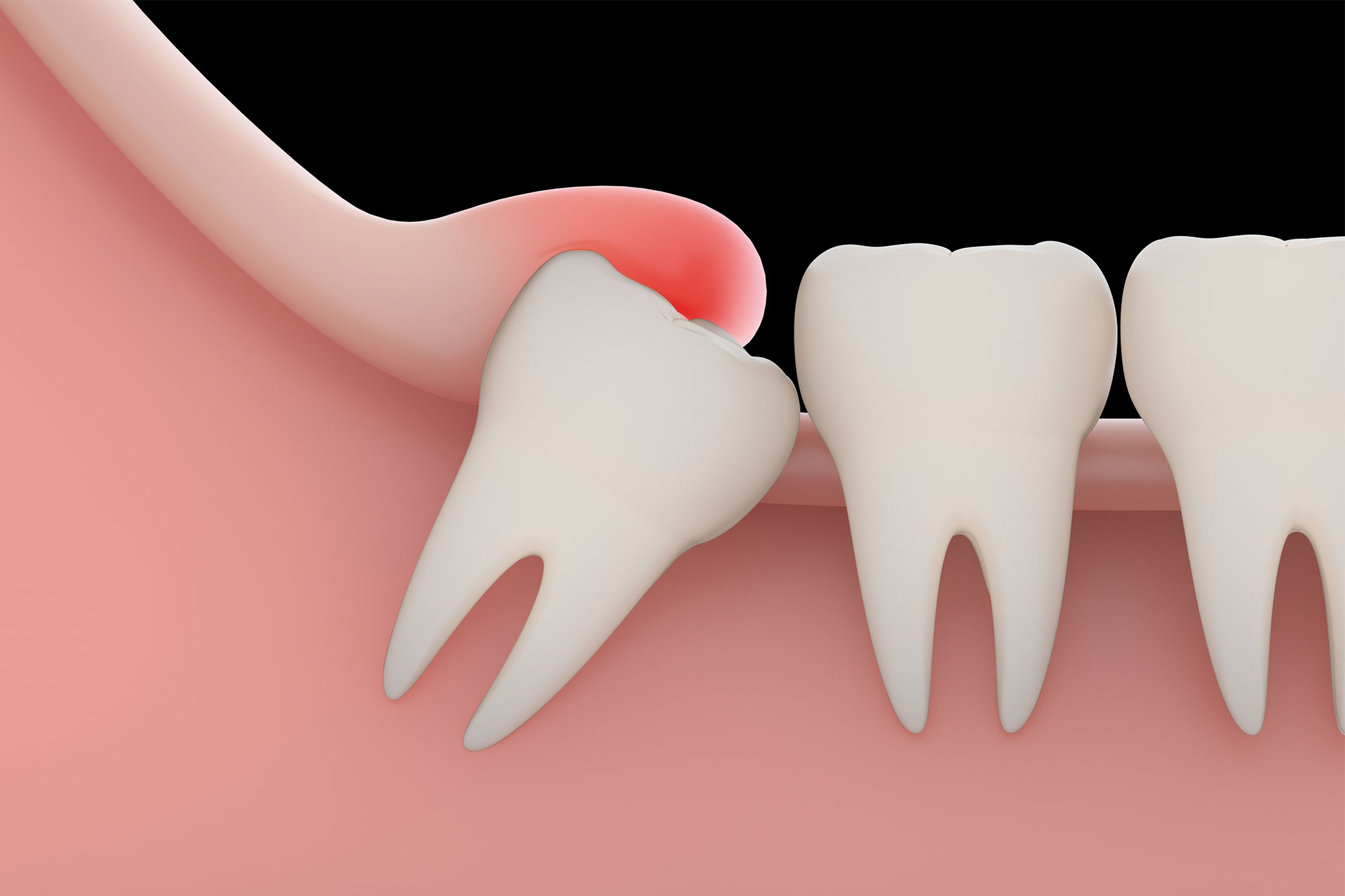
What is a Wisdom Tooth?
Wisdom tooth normally happens to the unerupted last molar at around 17-21 years old due to limited space or malposition. It is recommended to be removed.
How do I know if I have wisdom tooth?
You need to go see a dentist to check and have x-ray taken when you are 18 years old or older.
Why Wisdom Tooth Removal is Necessary
1. Pain from caries or gum disease due to inability to clean the area
2. Caries affects adjacent tooth
3. Acute infection from caries or gum disease
4. Tumor or cyst aggravate from wisdom tooth
5. Possible jaw fracture from accident due to thin jaw in that area
Post-Operative Instructions and Aftercare
1. Place gauze and bite hard 1-2 hours after surgery. After gauze removal, if bleeding is only seeping, it is normal. If bleeding is oozing, then bite on new gauze for 1 more hour. If the bleeding still not stop, please call us as soon as possible.
2. Do not rinse and spit for the first 6 hours. Gently rinse for the first 2 days unless the clot will come out. It will cause severe pain from dry socket (no clot).
3. Do not eat or chew on the same side as wisdom tooth removal for first 2-3 hours. You might bite on your cheek and tongue due to numbness from anesthesia.
4. Do not touch or lick the wound for the first week. It can cause bleeding.
5. Take pain killer as soon as pain arise or anesthesia is gone.
6. Do not stop or skip antibiotic.
7. Do not exercise for 1 week.
8. Cold compress on the cheek for 15 minutes and rest for 5 minutes for the first 2 days. It will reduce the swelling.
9. Do not smoke or drink alcohol for 1 week. Smoking can delay healing.
10. Soft diet is recommended. Do not eat or drink acidic, spicy and tasty food.
Possible Complications and Recovery Facts
1. Bleeding
If bleeding does not stop within 3-4 hours, please call us soon as possible. Bleeding can normally seep for 1-2 days.
2. Swelling
Normaly, swelling on the cheek and side of the face will be gone around 3-7 days. Cold compress can reduce swelling.
3. Bruise
Bruise happens in female more than male. It cause from bleeding under the skin area. It will be purple, green, then yellow as follow for 1-2 weeks.
4. Pain
Pain can normally be controlled by pain killer. Severe pain will stay for first 2-3 days. If pain is not relieved within 1 week, please call us as soon as possible.
For more information on wisdom tooth removal in Bangkok, or to make an appointment, contact Global Dental Complex today.
Wisdom Tooth Removal in Bangkok
Wisdom teeth are the last molars to develop, usually appearing in the late teens or early adulthood. For some people, wisdom teeth grow normally and do not cause problems. For others, there may not be enough space in the jaw, causing the teeth to become impacted, partially erupted, infected, or painful. Wisdom tooth removal in Bangkok helps patients manage wisdom tooth pain, swelling, infection, crowding risk, and difficult-to-clean areas at the back of the mouth.
Wisdom tooth removal may be simple or surgical depending on the tooth position. Some wisdom teeth can be removed like a regular tooth, while others may require a small surgical procedure if they are trapped under the gum, tilted against the neighboring tooth, or embedded in the jawbone.
Whether you live in Bangkok, are an expat, or are visiting Thailand, a proper dental examination and X-ray are important before treatment. The dentist will assess the wisdom tooth position, root shape, jawbone, gum condition, and nearby nerves before recommending the safest approach.
What Is Wisdom Tooth Removal?
Wisdom tooth removal in Bangkok is a dental procedure to remove one or more third molars, commonly known as wisdom teeth. These teeth are located at the very back of the mouth, behind the second molars.
Wisdom tooth removal may be recommended when the tooth causes pain, infection, swelling, decay, gum inflammation, food trapping, or damage to nearby teeth. It may also be considered before orthodontic treatment or when the wisdom tooth is unlikely to erupt properly.
The procedure may involve a simple extraction or surgical removal. The choice depends on whether the tooth has fully erupted, is partially covered by gum, or is impacted in the bone.
Why Do Wisdom Teeth Cause Problems?
Wisdom teeth often cause problems because they erupt late, when the jaw may already have limited space. If there is not enough room, the tooth may come in at an angle, press against the tooth in front, or remain trapped under the gum.
Common wisdom tooth problems include:
- Impacted wisdom teeth
- Partial eruption with gum swelling
- Food trapping around the back molar
- Repeated infection around the gum
- Decay on the wisdom tooth or neighboring tooth
- Bad breath or bad taste from trapped bacteria
- Pain when chewing
- Pressure at the back of the jaw
- Cysts or other changes around impacted teeth in some cases
Because wisdom teeth are difficult to clean, plaque and bacteria can build up easily. Even if symptoms come and go, repeated inflammation may indicate that removal should be considered.
Signs You May Need Wisdom Tooth Removal
Not every wisdom tooth needs to be removed. However, you should see a dentist if you have symptoms or if your wisdom tooth is difficult to clean or positioned poorly.
You may need Wisdom tooth removal in Bangkok if you notice:
- Pain at the back of the mouth
- Swollen gum around a wisdom tooth
- Difficulty opening your mouth fully
- Pain when biting or chewing
- Food getting stuck behind the second molar
- Bad breath or unpleasant taste
- Jaw stiffness or soreness
- Swelling in the cheek or jaw
- Repeated gum infection around the wisdom tooth
- Cavity on the wisdom tooth or nearby molar
If you have facial swelling, fever, pus, severe pain, or difficulty swallowing, you should seek dental or medical care promptly because these may be signs of infection.
Impacted Wisdom Teeth
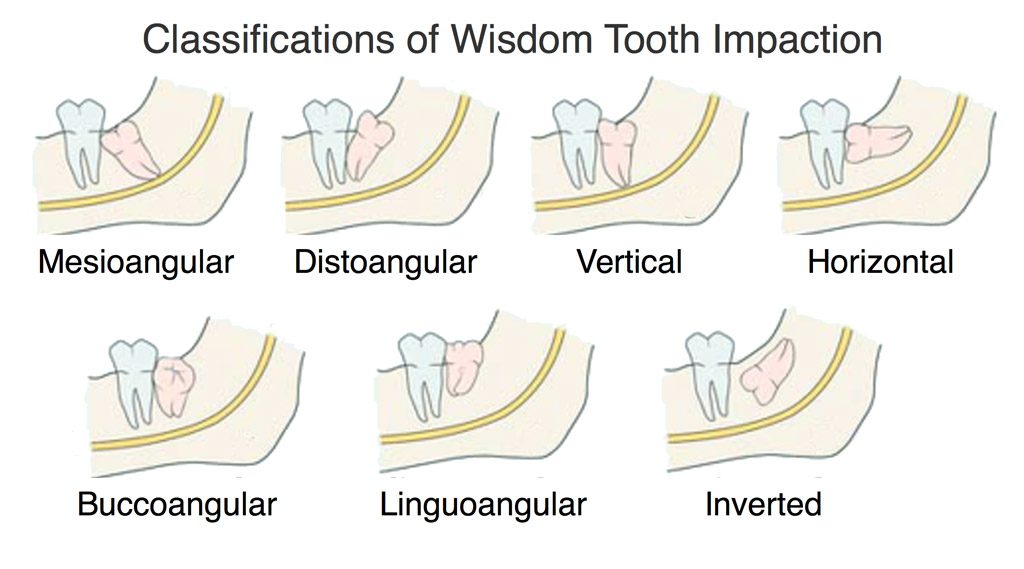
An impacted wisdom tooth is a tooth that cannot fully erupt into the mouth. It may be blocked by bone, gum tissue, or the neighboring tooth. Impacted wisdom teeth may grow at different angles, including forward, backward, sideways, or straight but trapped under the gum.
Impacted wisdom teeth do not always hurt immediately. Some remain painless for years, while others cause repeated infection, decay, gum problems, or pressure on nearby teeth.
Before removing an impacted wisdom tooth, the dentist will usually take an X-ray to assess the tooth position and root shape. In more complex cases, a 3D scan may be recommended to check the relationship between the wisdom tooth roots and nearby nerves.
Pericoronitis: Gum Infection Around Wisdom Teeth
Pericoronitis is inflammation or infection of the gum tissue around a partially erupted wisdom tooth. It often happens when a flap of gum covers part of the tooth, trapping food and bacteria underneath.
Symptoms may include gum swelling, pain, bad taste, difficulty opening the mouth, or swelling around the jaw. In mild cases, cleaning and medication may help temporarily. However, if pericoronitis keeps returning, wisdom tooth removal may be recommended to prevent repeated infection.
Simple Extraction vs. Surgical Wisdom Tooth Removal
Simple Wisdom Tooth Extraction
A simple extraction may be possible when the wisdom tooth has fully erupted and can be accessed easily. The dentist numbs the area, loosens the tooth, and removes it from the socket.
Surgical Wisdom Tooth Removal
Surgical removal may be needed when the tooth is impacted, partially erupted, broken, deeply positioned, or covered by bone or gum tissue. The dentist or oral surgeon may make a small incision, remove some bone, or divide the tooth into smaller pieces for safer removal.
Surgical wisdom tooth removal is common and can be performed safely with proper diagnosis, imaging, anesthesia, and aftercare.
Wisdom Tooth Removal Procedure: What to Expect
1. Consultation and Examination
The dentist will examine your mouth, ask about your symptoms, and check the gum around the wisdom tooth. They will also review your medical history, medications, allergies, and any previous dental problems.
2. X-Ray or 3D Imaging
A dental X-ray is usually taken before Wisdom tooth removal in Bangkok. The image helps the dentist see the tooth angle, root shape, bone level, and relationship to nearby teeth. If the tooth is close to a nerve or sinus, 3D imaging may be recommended for better planning.
3. Treatment Planning
The dentist will explain whether the tooth can be removed simply or whether surgical removal is needed. They will also explain the expected difficulty, risks, aftercare, healing time, and whether removal should be done immediately or scheduled later.
4. Local Anesthesia
The area around the wisdom tooth is numbed with local anesthesia. You may feel pressure during the procedure, but you should not feel sharp pain. If you feel discomfort, tell the dentist so more anesthesia can be provided.
5. Tooth Removal
The dentist removes the wisdom tooth using the appropriate technique. For impacted teeth, the tooth may be sectioned into smaller pieces to reduce pressure on the surrounding bone and tissues.
6. Cleaning the Socket
After the tooth is removed, the socket is cleaned. Any infected tissue or debris may be removed. In some cases, sutures are placed to help the gum heal.
7. Gauze and Aftercare Instructions
Gauze is placed over the extraction site to help control bleeding. Before leaving the clinic, you will receive instructions on bleeding control, eating, cleaning, medication, and warning signs to watch for.
Is Wisdom Tooth Removal Painful?
Wisdom tooth removal in Bangkok is usually performed under local anesthesia, so the area should be numb during treatment. You may feel pressure, pushing, or movement, but sharp pain should not be felt.
After the anesthesia wears off, soreness, swelling, or jaw stiffness may occur. This is normal, especially after surgical removal. The level of discomfort depends on the tooth position, difficulty of removal, inflammation, and individual healing response.
Your dentist may recommend pain medication, cold compresses, and soft foods during the first few days. If pain becomes severe, worsens after several days, or is associated with bad smell or bad taste, contact the clinic.
How Long Does Recovery Take?
Recovery time depends on whether the tooth removal was simple or surgical. Many patients feel better within a few days after a simple extraction. Surgical wisdom tooth removal may take longer, especially if the tooth was deeply impacted.
Swelling often peaks during the first 2–3 days and gradually improves. Jaw stiffness may also occur temporarily. Gum healing begins within days, while deeper bone healing continues over several weeks.
If you are traveling, flying, or planning important activities after treatment, discuss timing with your dentist before the procedure.
Aftercare After Wisdom Tooth Removal
Good aftercare helps reduce bleeding, pain, swelling, infection risk, and dry socket risk. The first 24 hours are especially important because the blood clot must stay in the socket.
After Wisdom tooth removal in Bangkok, your dentist may advise you to:
- Bite gently on gauze as instructed
- Avoid rinsing forcefully during the first 24 hours
- Do not spit repeatedly
- Avoid drinking through a straw
- Do not smoke during the healing period
- Eat soft foods for the first few days
- Avoid hot, spicy, crunchy, or hard foods at first
- Brush carefully while avoiding the surgical site
- Take medication as prescribed
- Use cold compresses if recommended
- Attend follow-up appointments if scheduled
Following instructions carefully can help protect the blood clot and support smoother healing.
What Is Dry Socket?
Dry socket is a painful complication that can happen when the blood clot in the extraction socket is lost or breaks down too early. Without the clot, the bone and nerves in the socket may become exposed.
Dry socket pain often starts a few days after extraction and may feel more intense than normal healing discomfort. It may also be associated with bad breath, bad taste, or pain that radiates to the ear.
To reduce dry socket risk, avoid smoking, straws, forceful rinsing, and spitting during the early healing period. If you suspect dry socket, contact your dentist. Treatment can help relieve pain and support healing.
What Can You Eat After Wisdom Tooth Removal?
Soft foods are usually recommended after wisdom tooth removal. Choose foods that are easy to chew and not too hot.
Good options may include:
- Soup that is warm, not hot
- Yogurt
- Smoothies without using a straw
- Mashed potatoes
- Soft rice or porridge
- Scrambled eggs
- Soft noodles
- Steamed fish
- Applesauce
Avoid hard, crunchy, spicy, sticky, or seed-filled foods during early healing because they may irritate the socket or get trapped in the wound.
Can All Wisdom Teeth Be Removed at Once?
In some cases, multiple wisdom teeth can be removed in one appointment. This may be convenient for patients who want to complete treatment faster. However, the decision depends on the number of teeth, complexity, medical history, comfort level, and recovery considerations.
Some patients prefer removing one side at a time so they can chew on the other side during recovery. Your dentist will explain the pros and cons based on your case.
Wisdom Tooth Removal for Expats and International Patients in Bangkok
Bangkok is a common destination for dental care among expats, travelers, and international patients. Wisdom tooth removal in Bangkok can be convenient for patients who need evaluation, pain relief, or planned surgical removal while living in or visiting Thailand.
If you are visiting from another country, it is important to plan enough recovery time before flying or continuing travel. Bring any relevant medical information, medication list, allergy history, previous X-rays, and details of past dental treatment if available.
For complex cases, the dentist may recommend consultation with an oral surgeon or additional imaging before removal.
Do Wisdom Teeth Always Need to Be Removed?
No. Wisdom teeth do not always need removal. If they are fully erupted, healthy, easy to clean, properly positioned, and not causing problems, they may be monitored during regular dental check-ups.
Removal is more likely to be recommended when the wisdom tooth is impacted, painful, infected, decayed, damaging nearby teeth, or likely to cause repeated problems. The decision should be based on diagnosis rather than removing every wisdom tooth automatically.
Risks and Possible Complications
Wisdom tooth removal is common, but like any dental procedure, it has possible risks. These may include swelling, bleeding, pain, infection, dry socket, delayed healing, damage to nearby teeth, sinus involvement for upper wisdom teeth, or nerve irritation for lower wisdom teeth.
Nerve-related symptoms may include numbness or tingling in the lower lip, chin, or tongue. This is why imaging and careful planning are important, especially when the wisdom tooth roots are close to the nerve canal.
Your dentist will explain the risks that apply to your specific case before treatment.
How to Prepare for Wisdom Tooth Removal
Before your appointment for Wisdom tooth removal in Bangkok, you can prepare by following the instructions from your dental clinic.
- Tell your dentist about medical conditions and medications
- Inform the clinic if you take blood thinners
- Share any allergy history
- Eat before the appointment if allowed and if only local anesthesia is planned
- Avoid alcohol before treatment
- Plan rest time after the procedure
- Prepare soft foods at home
- Ask about travel or flight timing if you are visiting Bangkok
Questions to Ask Before Wisdom Tooth Removal
Before treatment, useful questions include:
- Is my wisdom tooth impacted?
- Do I need simple extraction or surgical removal?
- Is the tooth close to a nerve or sinus?
- Do I need a 3D scan?
- Should I remove one tooth or multiple teeth?
- How long will recovery take?
- What should I avoid after treatment?
- What are the risks in my case?
- When should I return for follow-up?
Conclusion: Wisdom Tooth Removal Starts with Proper Diagnosis
Wisdom tooth removal in Bangkok can help treat pain, swelling, infection, impaction, decay, and other problems related to third molars. The procedure may be simple or surgical depending on the position of the tooth and the complexity of the case.
The most important step is a proper examination and imaging before removal. This allows the dentist to understand the tooth position, root shape, nearby nerves, and possible risks. With careful planning, local anesthesia, and clear aftercare instructions, wisdom tooth removal can be managed safely and comfortably.
If you have wisdom tooth pain, gum swelling, food trapping, bad taste, or repeated infection at the back of the mouth, a dental consultation can help determine whether Wisdom tooth removal in Bangkok is the right treatment for you.
Frequently Asked Questions About Wisdom Tooth Removal in Bangkok
Is wisdom tooth removal painful?
The area is numbed with local anesthesia during treatment, so you should not feel sharp pain. Pressure or movement may be felt. Soreness and swelling after removal are common and usually manageable with proper aftercare.
How do I know if my wisdom tooth needs removal?
You may need removal if the tooth is impacted, painful, infected, decayed, difficult to clean, or damaging nearby teeth. A dentist will examine the tooth and take X-rays before recommending treatment.
How long does recovery take after wisdom tooth removal?
Many patients feel better within a few days, but surgical removal may require longer recovery. Swelling and jaw stiffness can last several days, while deeper healing continues for weeks.
Can I travel after wisdom tooth removal in Bangkok?
It depends on the complexity of the removal and your healing response. If you are planning to fly or travel soon, discuss timing with your dentist before the procedure.
What should I avoid after wisdom tooth removal?
Avoid smoking, drinking through a straw, forceful rinsing, spitting repeatedly, alcohol, hard foods, spicy foods, and heavy exercise during the early healing period or as instructed by your dentist.
What is dry socket?
Dry socket occurs when the blood clot in the extraction socket is lost too early, exposing the bone and causing strong pain. It is more common after lower wisdom tooth removal and should be treated by a dentist.
Do all wisdom teeth need to be removed?
No. Healthy wisdom teeth that are fully erupted, easy to clean, and not causing problems may be monitored. Removal is recommended when there is pain, infection, decay, impaction, or other risks.