






































Ready to care for your smile with confidence.
For more information or to schedule a consultation with a dentist at Global Dental Complex, please contact us.
📞 Call / WhatsApp: (+66) 065-669-9191
💬 LINE: @globaldentalcpx
🌐 Website: globaldentalcomplex.com/th
Book your consultation today and start planning the treatment that is right for you.
Night Guard for Teeth & Bruxism Treatment in Bangkok
What is a Dental Night Guard (Occlusal Splint)?
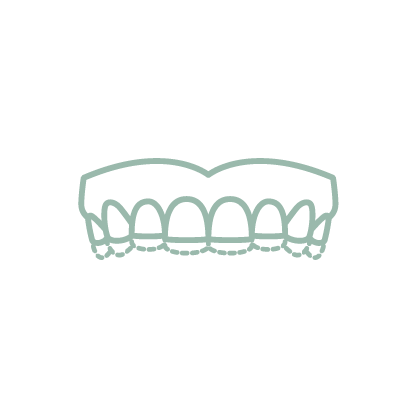
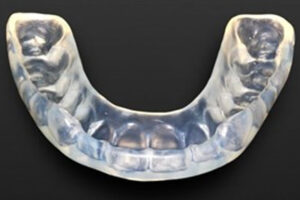
A Night guard is a dental device for the patient to wear at night time to protect excessive force on their teeth, masticatory muscle, and temporomandibular joint from bruxism or jaw clenching. Night guards for teeth specifically can also be called occlusal splint or occlusal device. It can be hard or soft splint. However, soft splint can cause muscle hyperactivity resulting in more clenching force. Over the counter night guard is not recommended because it is soft splint and it does not fit your teeth properly. Dental checkup!
What is Bruxism (Teeth Grinding)?
Bruxism can refer to teeth grinding and jaw clenching at night and is often related to stress or anxiety. It is the most common oral para-functional habits found in patients. It does not always cause symptoms, but some patients get facial pain or headaches, and it can also wear down your teeth over time. Most patients who grind their teeth and clench their jaw are not aware they’re doing it because it usually happens during sleep(bruxism), or while concentrating or under stress(teeth clenching).
Symptoms of Teeth Grinding and Jaw Clenching
- Fatigue facial muscle
- Facial pain
- Headache
- Earache
- Soreness and stiffness in the jaw joint (temporomandibular joint) and facial muscles, which can lead to temporomandibular disorder (TMD)
- Disrupted sleep
- Worn down teeth, which can lead to increased sensitivity
- Broken teeth or fillings
What causes bruxism?
- Stress and Anxiety
- Obstructive sleep apnea (OSA)
- Serotonin reuptake inhibitor (SSRI) medicine such as paroxetine, fluoxetine, and sertraline
What is the treatment for bruxism and/or teeth clenching?
- Night guard for teeth or occlusal splint: to protect teeth, masticatory muscle, and temporomandibular joint while teeth grinding and jaw clenching at night time or even during the day in some patients.
- Psychiatrist: to treat stress and anxiety
- Dental sleep instrument or CPAP: to treat obstructive sleep apnea
Our Procedure for Custom Night Guards in Bangkok
Visit 1: Facial and oral examination, x-ray with our dental specialist. Make impression or scan for occlusal splint
Visit 2: Occlusal splint fitting and delivery to the patient.
Visit 3: Follow-up symptoms and occlusal splint adjustment (if needed)
If you require a night guard for your teeth, or have questions on different treatment options for bruxism, contact Global Dental Complex today.
Night Guard for Teeth: Protect Your Teeth from Grinding and Clenching
Many people grind or clench their teeth without realizing it, especially during sleep. Over time, this habit can lead to worn teeth, jaw pain, headaches, tooth sensitivity, cracked teeth, and damage to dental restorations. A Night Guard for Teeth is a custom oral appliance designed to protect the teeth from excessive pressure caused by grinding or clenching at night.
A Night Guard for Teeth does not stop the grinding habit itself, but it acts as a protective barrier between the upper and lower teeth. By reducing direct tooth-to-tooth contact, it can help prevent further wear, reduce stress on the teeth, and support a more comfortable jaw position during sleep.
If you wake up with jaw soreness, notice flattened teeth, experience tooth sensitivity, or your dentist sees signs of grinding, a night guard may be recommended as part of your dental care plan.
What Is a Night Guard for Teeth?
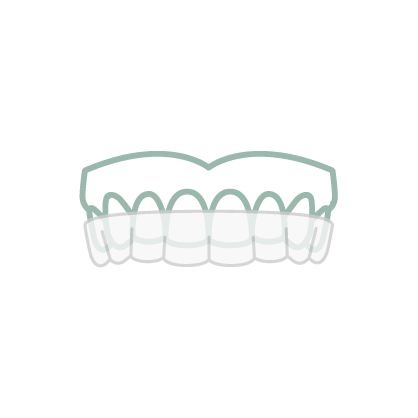
A Night Guard for Teeth is a dental appliance worn over the teeth during sleep. It is usually made from durable plastic or resin and is designed to fit the shape of your teeth. The night guard creates a cushion between the upper and lower teeth, helping to reduce damage from grinding and clenching.
Night guards are commonly used for bruxism, which is the medical term for teeth grinding or clenching. Some people grind their teeth loudly, while others clench silently. Because this often happens during sleep, many patients only discover the problem when symptoms appear or when a dentist identifies signs of wear.
There are different types of night guards, including custom-made guards from a dental clinic, boil-and-bite guards, and over-the-counter ready-made guards. The most suitable option depends on your symptoms, bite, tooth condition, and the severity of grinding.
Why Do People Grind or Clench Their Teeth?
Teeth grinding and clenching can have several causes. In many cases, it is related to stress, sleep patterns, bite issues, lifestyle habits, or muscle tension. Some people grind occasionally, while others do it frequently enough to cause dental damage.
Common factors that may contribute to grinding or clenching include:
- Stress or anxiety
- Sleep-related movement or breathing disorders
- Jaw muscle tension
- Uneven bite or missing teeth
- High caffeine or alcohol intake
- Smoking or nicotine use
- Certain medications
- Concentrating or clenching during the day
- Family history of bruxism
A Night Guard for Teeth can help protect the teeth from the effects of grinding, but identifying contributing factors is also important for long-term management.
Signs You May Need a Night Guard for Teeth
Because nighttime grinding can happen unconsciously, many people do not know they need protection until symptoms appear. A dentist can check for signs of bruxism during a dental examination.
You may need a Night Guard for Teeth if you notice:
- Worn, flattened, or chipped teeth
- Tooth sensitivity without a clear cause
- Jaw soreness in the morning
- Headaches after waking up
- Tightness in the jaw or facial muscles
- Clicking or discomfort in the jaw joint
- Cracked teeth or broken fillings
- Pain when chewing
- A partner hears grinding sounds during sleep
- Dental crowns, veneers, or fillings keep getting damaged
These symptoms can have different causes, so a professional examination is important before choosing a night guard or other treatment.
Benefits of Wearing a Night Guard for Teeth
1. Protects Teeth from Wear
The main purpose of a Night Guard for Teeth is to protect teeth from excessive grinding forces. Without protection, enamel can gradually wear down, making the teeth shorter, flatter, and more sensitive.
2. Helps Prevent Chips and Cracks
Grinding and clenching can place strong pressure on the teeth. Over time, this may contribute to cracks, chips, broken fillings, or damaged crowns. A night guard helps reduce direct impact between the teeth.
3. Reduces Stress on Dental Restorations
If you have crowns, veneers, bridges, fillings, or implants, grinding can increase the risk of damage. A night guard may help protect these restorations by distributing pressure more evenly.
4. May Reduce Jaw Muscle Discomfort
Some patients feel less jaw soreness when wearing a properly fitted night guard. The appliance can help reduce overload on the teeth and muscles, although patients with significant jaw joint problems may need further evaluation.
5. Supports Long-Term Dental Health
By preventing ongoing wear and damage, a Night Guard for Teeth can help preserve natural teeth and reduce the need for repeated dental repairs caused by grinding.
Custom Night Guard vs. Over-the-Counter Night Guard
There are several types of night guards available, but they are not all the same. The biggest difference is fit, comfort, durability, and how well the appliance matches your bite.
Custom Night Guard
A custom Night Guard for Teeth is made by a dentist using impressions or a digital scan of your teeth. It is designed specifically for your bite and tooth shape. This usually provides a more comfortable fit, better retention, and more precise protection.
Custom night guards are often recommended for patients with moderate to severe grinding, dental restorations, jaw discomfort, or bite concerns.
Boil-and-Bite Night Guard
A boil-and-bite guard is softened in hot water and shaped at home by biting into it. It may fit better than a ready-made guard, but it is not as precise as a custom dental appliance. Some patients find it bulky or uncomfortable.
Ready-Made Night Guard
Ready-made night guards are pre-formed and available in standard sizes. They may be inexpensive, but they often fit poorly and may feel loose or uncomfortable. A poor fit can make it harder to sleep and may not protect the teeth effectively.
Types of Night Guards
Soft Night Guard
Soft night guards are flexible and may be suitable for mild grinding or clenching. They can feel comfortable, but they may wear out faster in patients who grind heavily.
Hard Night Guard
Hard night guards are made from more rigid material and may be recommended for stronger grinding. They are usually more durable and can be adjusted by the dentist to fit the bite more precisely.
Dual-Laminate Night Guard
A dual-laminate night guard has a softer inner layer and a harder outer layer. It may be used for patients who need both comfort and durability.
The best type of Night Guard for Teeth depends on the severity of grinding, tooth condition, comfort needs, and dentist recommendation.
How Is a Custom Night Guard Made?
1. Dental Examination
The dentist will examine your teeth, bite, jaw muscles, restorations, and signs of wear. This helps determine whether a night guard is appropriate and what type is most suitable.
2. Impression or Digital Scan
Your teeth will be recorded using a dental impression or digital scan. This information is used to create a night guard that fits your teeth accurately.
3. Night Guard Fabrication
The night guard is made from selected material based on your needs. The design may vary depending on whether you grind lightly, clench heavily, or have dental restorations that need protection.
4. Fitting and Adjustment
Once the night guard is ready, the dentist will check the fit and make adjustments if needed. A proper fit should feel secure but not painful. The bite should also be checked so the pressure is balanced.
5. Follow-Up
Follow-up visits may be recommended to ensure the night guard remains comfortable and effective. If the guard becomes loose, cracked, or uncomfortable, it should be checked by the dentist.
Is a Night Guard Comfortable to Wear?
A properly fitted Night Guard for Teeth should feel comfortable after a short adjustment period. Some patients may need a few nights to get used to wearing it. A custom night guard is usually thinner, more secure, and more comfortable than a bulky over-the-counter appliance.
If your night guard causes pain, feels too tight, falls out during sleep, or changes your bite in the morning, you should return to the dentist for adjustment. Do not force yourself to wear an appliance that feels wrong.
How Long Does a Night Guard Last?
The lifespan of a Night Guard for Teeth depends on the material, grinding strength, frequency of use, cleaning habits, and storage. Some night guards last for years, while others may wear down faster in patients with heavy grinding.
You should bring your night guard to dental checkups so the dentist can inspect it for cracks, thinning, rough areas, or changes in fit. If it becomes damaged or no longer fits properly, it may need repair or replacement.
How to Clean a Night Guard
Cleaning your night guard properly helps reduce bacteria, odor, staining, and buildup. A dirty appliance can irritate the mouth and affect oral hygiene.
General cleaning tips include:
- Rinse the night guard with cool water after removing it
- Clean it gently with a soft toothbrush
- Avoid using hot water, as heat may distort the shape
- Let it dry before storing it in a ventilated case
- Clean the storage case regularly
- Avoid wrapping it in tissue, as it may be thrown away accidentally
- Keep it away from pets, as they may chew it
Your dentist may recommend specific cleaning tablets or solutions depending on the material of your night guard.
Can a Night Guard Stop Teeth Grinding?
A Night Guard for Teeth does not usually stop the grinding habit itself. Instead, it protects the teeth from the damage caused by grinding and clenching. Some patients may still grind while wearing the appliance, but the guard absorbs and distributes the pressure.
If grinding is related to stress, sleep problems, bite issues, or jaw disorders, additional management may be needed. This may include stress reduction, sleep evaluation, jaw exercises, bite adjustment, physical therapy, or other treatments depending on the cause.
Night Guard for Teeth and Jaw Pain
Some patients wear a night guard because they wake up with jaw soreness, facial muscle tension, or headaches. A properly designed appliance may help reduce strain from clenching and grinding. However, jaw pain can have many causes, including temporomandibular joint disorders, muscle tension, bite problems, or inflammation.
If you have ongoing jaw pain, clicking, locking, or difficulty opening your mouth, you should have a detailed dental or medical evaluation. A night guard may be part of the treatment plan, but it may not be the only solution.
Night Guard for Teeth with Dental Crowns, Veneers, or Implants
If you have dental restorations such as crowns, veneers, bridges, or implants, a Night Guard for Teeth may help protect them from grinding forces. This is especially important for patients who have invested in cosmetic or restorative dental work.
Grinding can chip porcelain, loosen restorations, wear down opposing teeth, or place excess pressure on implants. A custom night guard can help reduce these risks by creating a protective layer during sleep.
Who Should Not Use a Night Guard Without Dental Advice?
Although night guards are helpful for many patients, not everyone should use one without a proper diagnosis. A poorly fitted appliance may worsen discomfort, affect the bite, or fail to protect the teeth.
You should consult a dentist before using a night guard if you have:
- Severe jaw pain or jaw locking
- Loose teeth
- Advanced gum disease
- Untreated cavities or broken teeth
- Sleep apnea symptoms such as loud snoring or gasping during sleep
- New bite changes
- Pain when chewing
- Recent dental surgery or major dental work
A dentist can determine whether a night guard is suitable or whether another treatment should be considered first.
Night Guard for Teeth vs. Sports Mouthguard
A Night Guard for Teeth and a sports mouthguard are not the same. A night guard is designed to protect teeth from grinding and clenching during sleep. A sports mouthguard is designed to absorb impact during sports or physical activity.
Sports mouthguards are usually thicker and protect against trauma, while night guards are designed for long-term overnight wear and bite protection. You should not use a sports mouthguard as a substitute for a night guard unless your dentist approves it.
Questions to Ask Your Dentist
Before getting a Night Guard for Teeth, you may want to ask your dentist:
- Do I have signs of grinding or clenching?
- What type of night guard is best for me?
- Should I wear it on the upper or lower teeth?
- How long should I wear it each night?
- How do I clean and store it?
- How long will it last?
- Can it help with my jaw pain or headaches?
- Do I need additional treatment for bruxism?
Conclusion: A Night Guard for Teeth Helps Prevent Long-Term Dental Damage
A Night Guard for Teeth is an important protective appliance for patients who grind or clench their teeth during sleep. It can help prevent tooth wear, chips, cracks, sensitivity, and damage to dental restorations.
While a night guard does not cure the grinding habit, it can reduce the harmful effects of nighttime pressure and support long-term dental health. The best results come from a proper diagnosis, a well-fitted custom appliance, regular dental checkups, and management of any underlying causes such as stress, bite issues, or jaw muscle tension.
If you suspect that you grind your teeth or wake up with jaw soreness, a dental examination can help determine whether a Night Guard for Teeth is the right option for you.
Frequently Asked Questions About Night Guard for Teeth
What is a Night Guard for Teeth?
A Night Guard for Teeth is an oral appliance worn during sleep to protect the teeth from grinding and clenching. It creates a barrier between the upper and lower teeth.
Does a night guard stop teeth grinding?
A night guard usually does not stop the grinding habit itself. It protects the teeth from damage caused by grinding and clenching.
Is a custom night guard better than a store-bought one?
A custom night guard is made to fit your teeth and bite, so it is usually more comfortable, stable, and effective than a generic store-bought guard.
Can I wear a night guard every night?
Yes, many patients wear their night guard every night. Your dentist will advise how often you should wear it based on your grinding pattern and dental condition.
How do I know if I grind my teeth at night?
Signs include worn teeth, jaw soreness, morning headaches, tooth sensitivity, chipped teeth, or grinding sounds noticed by a sleep partner. A dentist can check for signs of bruxism.
Can a night guard help with jaw pain?
It may help reduce jaw muscle strain in some patients, especially if the pain is related to clenching or grinding. However, jaw pain can have multiple causes, so proper evaluation is important.
How long does a night guard last?
The lifespan depends on the material, grinding severity, cleaning habits, and frequency of use. Heavy grinders may wear out a night guard faster and need replacement sooner.