






























Ready to care for your smile with confidence.
For more information or to schedule a consultation with a dentist at Global Dental Complex, please contact us.
📞 Call / WhatsApp: (+66) 065-669-9191
💬 LINE: @globaldentalcpx
🌐 Website: globaldentalcomplex.com/th
Book your consultation today and start planning the treatment that is right for you.
Removable and Complete Dentures in Bangkok
Types of Removable Dentures Available
There are 2 types:
1. Complete denture
2. Removable partial denture
3. Implant-retained overdenture: Removable prosthesis that is retained over dental implant by attachment
Understanding Complete Dentures
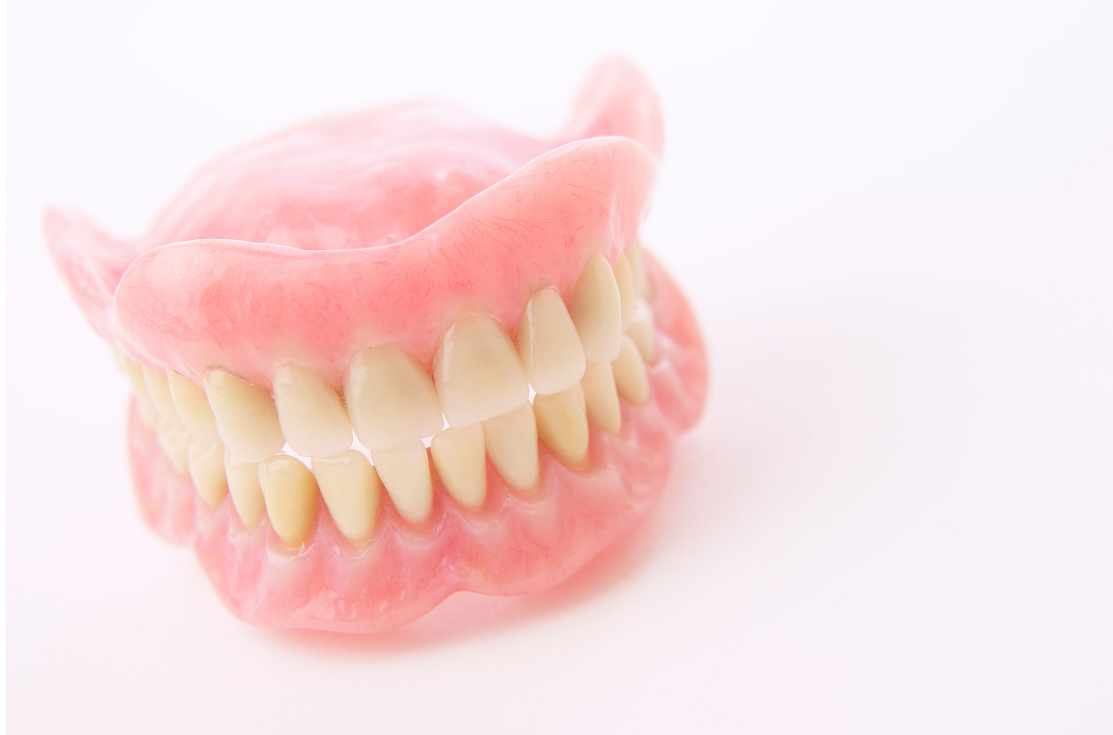
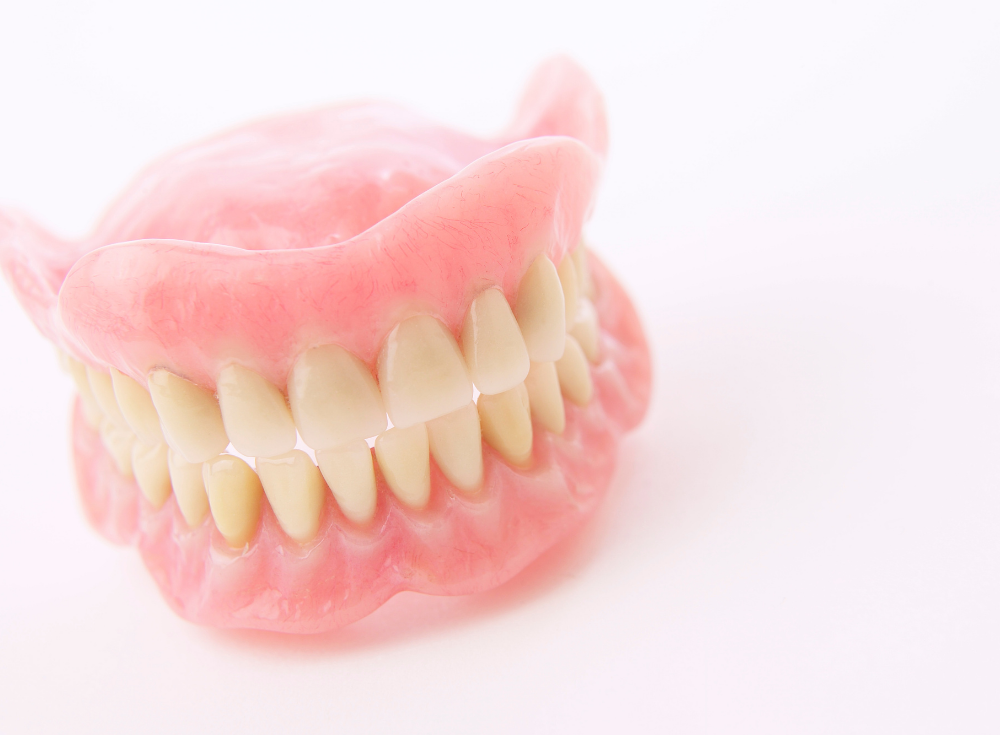
Complete denture is a removable prostheses that replace all missing teeth for edentulous patient.
How many types are complete dentures?
There are 3 types of complete dentures
1. Conventional complete denture: Removable prosthesis without any kind of attachment
2. Overdenture: Removable prosthesis that place over tooth root with or without attachment
3. Implant-retained overdenture: Removable prosthesis that is retained over dental implant by attachment
Home Care Instructions for Your Dentures
- Remove denture everytime after meal to rinse and clean with water
- Do not wear denture at night. Your gum need a rest
- Clean your denture with liquid soap and tooth brush. Clean it in a basket or a sink, so it won’t break when you drop it.
- Keep it in water when you leave it outside of your mouth
What is removable partial denture?
Removable partial denture is a prosthesis that replace some missing teeth. It was retained by clasps that place on existing teeth.
What is a Removable Partial Denture?
There are 2 types of removable partial denture
- Metal framework partial denture
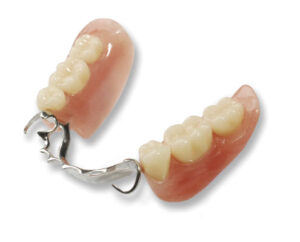
- Acrylic partial denture
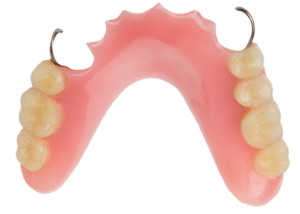
Which removable partial denture is better?
Metal framework partial denture is stronger, easier to clean, and smaller. However, metal framework partial denture is more difficult to process and more expensive.
What is home care instructions for removable partial denture?
- Remove denture everytime after meal to rinse and clean with water
- Do not wear denture at night. It can cause cavity on your natural teeth if you keep wearing it at night.
- Clean your denture with liquid soap and tooth brush. Clean it in a basket or a sink, so it won’t break when you drop it.
- eep it in water when you leave it outside of your mouth
- Clean your existing natural teeth well because it can get cavity easier while wearing removable partial denture.
For more information or answers on getting dentures in Thailand, or to make an appointment, contact Global Dental Complex today.
Removable and Complete Dentures in Bangkok
Missing teeth can affect much more than your smile. They can make chewing difficult, change the way you speak, reduce facial support, and affect your confidence in daily life. For patients who have lost several teeth or all teeth in one or both arches, Removable and Complete Dentures in Bangkok offer a practical way to restore appearance and basic oral function.
Dentures are custom-made dental appliances designed to replace missing teeth and surrounding gum tissue. They can be removed for cleaning and sleeping, and they may be used as a short-term or long-term tooth replacement option depending on the patient’s needs. Some patients choose dentures because they are more affordable than fixed implant solutions, while others use them temporarily before dental implants or full mouth rehabilitation.
Removable and Complete Dentures in Bangkok may be suitable for local residents, expats, retirees, and international patients who need a reliable replacement for missing teeth. The best denture design depends on how many teeth are missing, the condition of the gums and jawbone, bite relationship, comfort needs, budget, and long-term treatment goals.
What Are Removable Dentures?
Removable dentures are dental appliances that replace missing teeth and can be taken out of the mouth. They are commonly used when a patient is missing several teeth but still has some natural teeth remaining.
Removable partial dentures are usually supported by the gums and remaining natural teeth. They may include artificial teeth attached to an acrylic base, metal framework, flexible material, or other denture design depending on the case. The goal is to restore chewing function, fill visible gaps, support facial appearance, and prevent remaining teeth from shifting into empty spaces.
Unlike fixed bridges or dental implants, removable dentures are not permanently attached. Patients need to remove them daily for cleaning and maintenance.
What Are Complete Dentures?
Complete dentures, also called full dentures, are used when all teeth are missing in the upper jaw, lower jaw, or both. They replace a full arch of teeth and rest on the gums and underlying bone.
Upper complete dentures often have more surface area and may feel more stable because they cover part of the palate. Lower complete dentures can be more challenging because the tongue, cheeks, and jaw movement may affect stability. For some patients, implant-supported dentures may be considered to improve retention and comfort.
Removable and Complete Dentures in Bangkok can be designed to improve smile appearance, restore facial support, and help patients eat and speak more comfortably after tooth loss.
Who May Need Removable or Complete Dentures?
Dentures may be recommended for patients who have lost multiple teeth, have teeth that cannot be saved, or need a more affordable removable replacement option. They may also be used during healing after extractions before a final fixed solution is planned.
You may benefit from Removable and Complete Dentures in Bangkok if you have:
- Several missing teeth in one arch
- All teeth missing in the upper or lower jaw
- Loose teeth from advanced gum disease
- Severely decayed teeth that cannot be restored
- Old dentures that are loose, worn, or uncomfortable
- Difficulty chewing due to missing teeth
- Reduced facial support after tooth loss
- A need for a temporary tooth replacement before implants
- A preference for a removable and more budget-friendly solution
A dental examination is important before making dentures. The dentist needs to evaluate gum health, bone shape, bite, remaining teeth, oral tissues, and whether any teeth require treatment or extraction before denture fabrication.
Types of Removable and Complete Dentures
Removable Partial Dentures
Removable partial dentures replace some missing teeth while natural teeth remain in the mouth. They may use clasps or other retention features to hold the denture in place. This option can help restore chewing and fill gaps without placing implants or fixed bridges.
Complete Dentures
Complete dentures replace all teeth in an arch. They are used when no natural teeth remain in the upper or lower jaw. Complete dentures are custom-made to fit the gums and support facial appearance.
Immediate Dentures
Immediate dentures are placed soon after tooth extraction, so the patient does not have to go without teeth during the healing period. However, the gums and bone change after extractions, so immediate dentures often need adjustments, relining, or replacement after healing.
Implant-Supported Dentures
Implant-supported dentures use dental implants to improve stability and retention. They may still be removable, but they can feel more secure than conventional dentures. This option may be considered for patients who struggle with loose lower dentures or want better chewing confidence.
Flexible Partial Dentures
Flexible partial dentures are made from a flexible material that can be more comfortable and less visible in selected cases. They may be suitable for certain partial tooth loss situations, but they are not ideal for every patient or every bite condition.
Benefits of Removable and Complete Dentures
1. Restores Missing Teeth
The most important benefit of Removable and Complete Dentures in Bangkok is replacing missing teeth so patients can smile, speak, and chew more comfortably. Dentures also help fill empty spaces that can affect facial appearance.
2. Supports Facial Shape
When many teeth are missing, the cheeks and lips may lose support. Dentures can help restore facial fullness and reduce the sunken appearance that sometimes occurs after tooth loss.
3. More Affordable Than Many Fixed Options
Dentures are often more affordable than full-arch implant restorations or multiple fixed bridges. For many patients, they offer a practical way to replace missing teeth within a manageable budget.
4. Non-Surgical Tooth Replacement
Conventional removable dentures do not require implant surgery. This may be suitable for patients who are not ready for surgery, have medical limitations, or prefer a non-surgical option.
5. Can Be Used as a Temporary or Long-Term Solution
Dentures may be used temporarily while waiting for implant treatment, or as a long-term removable replacement solution. The right role depends on the patient’s oral condition and goals.
Limitations of Removable Dentures
While dentures can be very helpful, they also have limitations. They do not feel exactly like natural teeth or fixed implants. Some patients need time to adapt to speaking, chewing, and wearing the appliance.
Common limitations include:
- May feel bulky at first
- Can move during chewing or speaking
- May require adjustments after delivery
- Chewing strength is usually lower than natural teeth or fixed implants
- Can cause sore spots if the fit is not correct
- Need daily removal and cleaning
- Jawbone and gums may change over time, affecting fit
- May need relining or replacement in the future
Understanding these limitations helps patients set realistic expectations before starting Removable and Complete Dentures in Bangkok.
The Denture Treatment Process
1. Consultation and Oral Examination
The dentist will examine your gums, remaining teeth, bite, jawbone shape, oral tissues, and existing dentures if you have them. X-rays may be taken if extractions, implants, or remaining tooth evaluation are needed.
2. Treatment Planning
The dentist will recommend the most suitable denture type based on your condition. If you still have natural teeth, the dentist will decide whether they can support a partial denture or whether some teeth need treatment before denture fabrication.
3. Impressions or Digital Scans
Accurate records of your gums, teeth, and bite are taken. These records are used to design the denture so it fits the shape of your mouth as closely as possible.
4. Bite Registration
The dentist records how your upper and lower jaws meet. This step is important for comfort, chewing function, facial support, and natural-looking tooth position.
5. Tooth Shade and Shape Selection
The color, size, and shape of the artificial teeth are selected. The goal is to create a smile that looks natural and suits your face, age, and preferences.
6. Try-In Appointment
In many cases, a wax try-in is used before the final denture is completed. This allows the dentist and patient to check the tooth position, bite, smile appearance, lip support, and speech before final processing.
7. Final Denture Delivery
Once the denture is ready, the dentist checks the fit, bite, appearance, and comfort. Adjustments may be made to reduce pressure points and improve function.
8. Follow-Up Adjustments
Follow-up visits are often needed after receiving new dentures. Small sore spots or pressure areas are common at first and can usually be corrected with adjustments.
Getting Used to New Dentures
New dentures often require an adjustment period. At first, they may feel large, loose, or unfamiliar. Speech may sound slightly different, and chewing may feel slower. This is normal as the mouth, tongue, cheeks, and muscles learn to work with the new appliance.
To adapt more easily:
- Start with soft foods cut into small pieces
- Chew slowly on both sides of the mouth
- Practice speaking or reading aloud
- Follow wearing instructions from your dentist
- Return for adjustments if sore spots develop
- Avoid hard or sticky foods during the early adjustment period
Patience is important. Most patients become more comfortable with dentures after practice and proper adjustment.
Complete Dentures for Full Tooth Loss
Complete dentures are commonly used when all teeth in an arch are missing or need to be removed. They can restore smile appearance and allow basic chewing function, but stability depends on the shape of the gums, amount of remaining bone, saliva, muscle control, and denture fit.
Upper complete dentures are often more stable than lower complete dentures because of the larger support area. Lower dentures may move more due to tongue and floor-of-mouth movement. If lower denture stability is a major concern, implant-supported dentures may be discussed.
Partial Dentures for Multiple Missing Teeth
Partial dentures are used when some natural teeth remain. They can replace several missing teeth and help prevent remaining teeth from drifting into the empty spaces.
The design may include clasps, rests, acrylic base, metal framework, or flexible material depending on the case. The dentist will evaluate the health and position of the remaining teeth before designing a partial denture.
Immediate Dentures After Tooth Extraction
Immediate dentures may be placed soon after tooth extraction so the patient does not have to be without teeth during healing. This can be helpful for appearance and confidence, especially when front teeth are involved.
However, immediate dentures are not the final fit. After extractions, the gums and bone shrink and change shape. Because of this, immediate dentures often need relining, adjustment, or replacement once healing is complete.
Implant-Supported Dentures
For patients who want better denture stability, implant-supported dentures may be an option. Dental implants are placed in the jawbone and used to help retain the denture. This can reduce movement and improve chewing confidence.
Implant-supported dentures may be especially useful for lower complete dentures, which are often harder to stabilize with suction alone. Suitability depends on bone volume, gum health, medical condition, budget, and treatment goals.
How to Clean Removable Dentures
Daily cleaning is essential for denture comfort, oral health, and breath freshness. Dentures can collect plaque, food debris, stains, and bacteria just like natural teeth.
General denture cleaning tips include:
- Remove and rinse dentures after eating
- Brush dentures daily with a soft denture brush
- Use denture cleaner or mild soap as recommended
- Avoid regular toothpaste if it is too abrasive for the denture material
- Clean the gums, tongue, cheeks, and palate daily
- Soak dentures overnight if recommended
- Keep dentures moist when not wearing them
- Do not use hot water, as it may distort the denture
- Handle dentures carefully to avoid dropping them
Even patients with complete dentures should still have dental check-ups to examine the gums, oral tissues, denture fit, and any signs of irritation.
Should You Sleep with Dentures In?
Many dentists recommend removing dentures at night to allow the gums and oral tissues to rest. Wearing dentures continuously may increase the risk of irritation, fungal infection, bad breath, and sore tissues in some patients.
Your dentist will provide instructions based on your specific denture type and oral condition. If you have implant-supported dentures or special treatment needs, follow the guidance given by your dental team.
When Do Dentures Need Adjustment or Replacement?
Dentures do not last forever. Over time, the jawbone and gums change shape, and the denture may become loose. Artificial teeth can also wear down, affecting chewing and bite balance.
You may need denture adjustment, relining, repair, or replacement if you notice:
- Denture feels loose or unstable
- Sore spots or ulcers under the denture
- Difficulty chewing
- Clicking sound when speaking
- Denture teeth look worn
- Changes in facial support
- Cracks or broken denture base
- Bad odor that does not improve with cleaning
- Food trapping under the denture
Do not try to adjust or repair dentures at home. This can damage the denture or injure the gums.
Removable Dentures vs. Dental Implants
Removable dentures and dental implants are different tooth replacement options. Dentures are removable and usually more affordable. Implants are fixed or used to support fixed or removable restorations and generally provide better stability.
Dentures may be suitable for patients who want a non-surgical or lower-cost option. Dental implants may be better for patients who want stronger chewing function, improved stability, and a more natural feel. Some patients choose a combination, such as implant-supported dentures.
The best choice depends on oral health, bone condition, budget, medical history, and personal preference.
Removable and Complete Dentures for Expats and International Patients in Bangkok
Bangkok is a common destination for dental care among expats, retirees, and international visitors. Removable and Complete Dentures in Bangkok may be convenient for patients who need new dentures, denture repair, replacement dentures, or consultation about full tooth loss.
International patients should remember that dentures often require multiple appointments for impressions, bite records, try-in, delivery, and adjustment. If you are traveling, plan enough time for proper fitting and follow-up adjustments before leaving Thailand.
Can Dentures Look Natural?
Yes, modern dentures can be designed to look natural when the tooth size, shape, color, gum color, and tooth arrangement are carefully planned. A good denture should support the lips and cheeks without looking bulky or artificial.
Natural-looking results depend on good communication with the dentist and dental laboratory. During the try-in stage, patients can often review the tooth appearance before final denture completion.
Can Dentures Improve Chewing?
Dentures can improve chewing compared with having no teeth, but they do not provide the same chewing power as natural teeth or fixed implant restorations. Patients may need time to learn how to chew with dentures.
For better chewing stability, especially with lower dentures, implant-supported options may be considered. Your dentist can explain what level of function is realistic for your case.
Risks and Limitations
Removable and Complete Dentures in Bangkok can restore missing teeth, but they have limitations. Possible issues include sore spots, looseness, difficulty chewing certain foods, speech changes, gum irritation, denture breakage, or the need for adjustment as the mouth changes.
Poorly fitting dentures can cause ulcers, discomfort, and difficulty eating. Regular check-ups and adjustments help maintain comfort and function.
Questions to Ask Before Getting Dentures
Before starting denture treatment, useful questions include:
- Do I need partial dentures or complete dentures?
- Are any remaining teeth strong enough to support a partial denture?
- Do I need extractions before dentures?
- Will I need immediate dentures?
- How many appointments are required?
- Will there be a try-in before the final denture?
- How long will it take to adjust to dentures?
- Can implants improve denture stability?
- How should I clean and store my dentures?
- How often should I come back for adjustments?
Conclusion: Dentures Can Restore Your Smile and Daily Confidence
Removable and Complete Dentures in Bangkok offer a practical solution for patients who are missing several teeth or all teeth. Dentures can restore smile appearance, support facial shape, improve basic chewing ability, and help patients feel more confident in daily life.
The best denture results come from careful examination, accurate impressions, proper bite planning, natural tooth selection, and follow-up adjustments. Whether you need partial dentures, complete dentures, immediate dentures, or implant-supported dentures, a dental consultation can help determine the most suitable option for your oral condition and lifestyle.
Frequently Asked Questions About Removable and Complete Dentures in Bangkok
What is the difference between removable dentures and complete dentures?
Removable dentures can refer to any denture that can be taken out, including partial dentures. Complete dentures replace all teeth in one arch, such as all upper or all lower teeth.
Are dentures comfortable?
Dentures may feel unfamiliar at first, but they usually become more comfortable with practice and adjustment. Follow-up visits are often needed to correct sore spots and improve fit.
How many appointments are needed for dentures?
Denture treatment usually requires several appointments for examination, impressions, bite records, try-in, final delivery, and adjustments. The exact number depends on the denture type and case complexity.
Can I eat normally with dentures?
Dentures can improve chewing, but they do not provide the same bite force as natural teeth or fixed implants. Start with soft foods, chew slowly, and avoid very hard or sticky foods during the adjustment period.
Do dentures need to be removed at night?
In many cases, dentures should be removed at night to allow the gums to rest. Your dentist will provide instructions based on your denture type and oral condition.
Can dentures be repaired if they break?
Many broken dentures can be repaired, but you should not try to fix them at home. Bring the denture to a dental clinic for proper repair and fit checking.
Are implant-supported dentures better than regular dentures?
Implant-supported dentures usually provide better stability and chewing confidence, especially for lower dentures. However, they require implant surgery and are not suitable for every patient.