





































Ready to care for your smile with confidence.
For more information or to schedule a consultation with a dentist at Global Dental Complex, please contact us.
📞 Call / WhatsApp: (+66) 065-669-9191
💬 LINE: @globaldentalcpx
🌐 Website: globaldentalcomplex.com/th
Book your consultation today and start planning the treatment that is right for you.
Safe Metal-Free Fillings & Tooth Restorations in Bangkok
Metal free Fillings
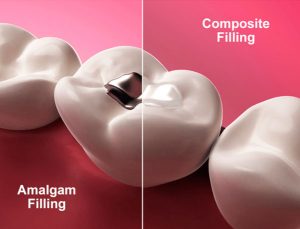
What are Metal-Free Dental Fillings?
Unlike metal fillings of the past, metal-free fillings are able to restore your smile with safety, provide a more natural looking appearance without dental amalgams that contain mercury and other metal elements. As an alternative solution to traditional metal-based fillings, composite resin, glass ionomer and ceramic were introduced to the market. Therefore, at Global Dental Complex, we only use tooth-color filling material as safety purpose for our patients.
Reasons Why You Need Dental Fillings
1. Dental caries or cavity
2. Dental erosion from acidic food
3. Dental abrasion from heavy brushing
5. Space closure
6. Enamel dysplasia or dentinogenesis imperfecta
Types of Metal-Free Filling Materials We Use
1. Composite resin: Provide good bond to natural tooth with moderate strength.
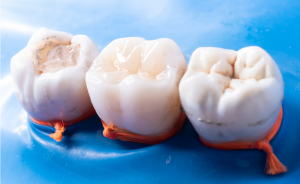
2. Glass ionomer: Provide fluoride release to prevent cavity
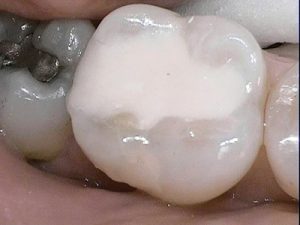
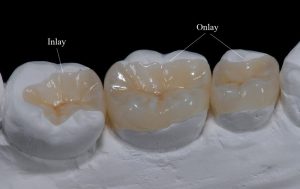
3. Ceramic: Provide highest strength used for large cavity as inlay or onlay.
Metal Free Restorations: Natural-Looking Dental Restorations Without Metal
Modern dentistry offers more choices than ever for restoring damaged, decayed, or weakened teeth. In the past, many dental restorations used metal or metal-based materials for strength. Today, patients who want a more natural-looking smile often prefer Metal free restorations, which are designed to restore teeth without visible metal.
Metal free restorations use tooth-colored materials such as ceramic, porcelain, zirconia, composite resin, or other advanced dental materials. These restorations can be used for fillings, inlays, onlays, veneers, crowns, and sometimes bridges, depending on the tooth condition and treatment goal.
The main advantage of metal-free dentistry is that the restoration can blend more naturally with the surrounding teeth. For patients concerned about appearance, gumline aesthetics, or dark metal edges around old crowns, metal-free options may provide a more pleasing and natural result.
What Are Metal Free Restorations?
Metal free restorations are dental restorations made without traditional metal components. Instead of using materials such as amalgam or porcelain-fused-to-metal crowns, the dentist may use ceramic, porcelain, zirconia, or composite resin to rebuild and protect the tooth.
These materials are selected to match the color, shape, and translucency of natural teeth as closely as possible. Depending on the case, metal-free restorations can restore both function and appearance while avoiding the gray or dark appearance sometimes associated with metal-based restorations.
Metal-free dentistry does not mean one material is best for every situation. The dentist will consider the location of the tooth, bite force, remaining tooth structure, cosmetic goals, and long-term durability before recommending the most suitable option.
Why Patients Choose Metal Free Restorations
Many patients choose Metal free restorations because they want dental work that looks natural when they smile, speak, or laugh. This is especially important for front teeth or visible areas of the mouth.
Other patients may want to replace old metal fillings or crowns because they are worn, cracked, stained, or no longer fit well. Some may be concerned about the dark line near the gumline that can appear with older porcelain-fused-to-metal crowns. Metal-free materials can help avoid this visible metal edge.
For many patients, the goal is simple: restore the tooth in a way that feels strong, functions well, and does not look obvious.
Types of Metal Free Restorations
Composite Resin Fillings
Composite resin is a tooth-colored material commonly used to repair cavities, small chips, and minor tooth damage. It can be matched to the shade of the natural tooth and bonded directly to the tooth structure.
Composite fillings are often used for small to moderate restorations. They are conservative and can usually be completed in a single visit. However, they may not be as strong as ceramic or zirconia for very large restorations or areas with heavy biting force.
Ceramic Inlays and Onlays
Ceramic inlays and onlays are used when a tooth needs more support than a standard filling but does not require a full crown. An inlay fits within the biting surface of the tooth, while an onlay covers one or more cusps.
These Metal free restorations can provide strength, durability, and a natural appearance while preserving more tooth structure than a full crown in suitable cases.
Porcelain Veneers
Porcelain veneers are thin shells bonded to the front surface of teeth. They are often used to improve the appearance of teeth that are chipped, discolored, uneven, worn, or slightly misaligned.
Veneers are metal-free and highly aesthetic, but they are primarily cosmetic restorations. They may not be appropriate for teeth with severe structural damage, heavy grinding, or insufficient enamel.
All-Ceramic Crowns
All-ceramic crowns are used to cover and protect teeth that are weakened, cracked, heavily filled, or treated with root canal therapy. They can be designed to match the surrounding teeth in color and shape.
All-ceramic crowns are commonly chosen for front teeth because of their natural translucency and ability to blend with the smile.
Zirconia Crowns
Zirconia is a strong ceramic material often used for crowns and bridges. It is metal-free, durable, and suitable for areas that require higher strength. Zirconia crowns may be used for both front and back teeth depending on the design and aesthetic requirements.
Modern zirconia materials can provide a good balance of strength and appearance. However, the exact type of zirconia should be selected based on tooth location, bite force, and cosmetic goals.
Metal-Free Bridges
In selected cases, bridges can be made using zirconia or ceramic materials instead of metal frameworks. A metal-free bridge may be used to replace one or more missing teeth when implants are not chosen or not suitable.
The design depends on the number of missing teeth, bite pressure, position in the mouth, and condition of the supporting teeth.
Benefits of Metal Free Restorations
1. Natural Tooth-Like Appearance
One of the biggest benefits of Metal free restorations is their ability to blend with natural teeth. Ceramic, porcelain, zirconia, and composite materials can be color-matched to surrounding teeth, making the restoration less noticeable.
2. No Dark Metal Line at the Gumline
Older metal-based crowns may sometimes show a dark line near the gum, especially if the gum recedes over time. Metal-free crowns avoid the visible metal edge, which can improve the appearance of the gumline.
3. Suitable for Smile Zone Restorations
For front teeth and visible areas, appearance matters. Metal free restorations are often chosen for smile zone treatments because they can provide a more natural color and translucency.
4. Conservative Options Available
Some metal-free treatments, such as ceramic inlays, onlays, or composite bonding, may preserve more natural tooth structure compared with full coverage crowns in suitable cases.
5. Strong and Durable Materials
Modern ceramics and zirconia materials can provide high strength and long-term function when properly designed and maintained. The right material depends on the tooth position and chewing forces.
6. Good Option for Replacing Old Restorations
Patients with old metal fillings, worn crowns, or visible metal restorations may choose metal-free replacements for improved appearance and function. The dentist will evaluate whether replacement is necessary or recommended.
Metal Free Restorations vs. Metal-Based Restorations
Metal-based restorations have been used in dentistry for many years because they can be strong and durable. However, they may not match the natural appearance of teeth. Some patients also dislike the gray color of metal fillings or the dark line that may appear around older crowns.
Metal free restorations focus on aesthetics while still supporting function. They are designed to look more like natural teeth and may be preferred for visible areas. However, material selection should always be based on the clinical situation, not appearance alone.
In some cases, metal-based restorations may still be suitable, especially when strength, limited space, or cost are major considerations. Your dentist can explain the pros and cons of each option.
Who Is a Good Candidate for Metal Free Restorations?
Metal free restorations may be suitable for patients who need to repair damaged teeth, replace old restorations, or improve the appearance of their smile without visible metal.
You may be a good candidate if you have:
- Old metal fillings or crowns that need replacement
- Chipped, cracked, or worn teeth
- Large cavities requiring tooth-colored restoration
- Discolored or uneven front teeth
- A dark line around old crowns
- A desire for natural-looking dental treatment
- Enough remaining tooth structure to support restoration
- Good oral hygiene and stable gum health
Not every tooth can be restored with every metal-free material. Teeth with severe damage, heavy bite forces, deep cracks, or active gum disease may need additional treatment before restoration.
When Are Metal Free Restorations Recommended?
A dentist may recommend Metal free restorations in many situations, including cosmetic dental treatment, restoration of decayed teeth, replacement of old fillings, protection of cracked teeth, or restoration after root canal treatment.
They may be especially useful when:
- The restoration will be visible when smiling
- The patient wants a tooth-colored solution
- An old restoration has failed or no longer fits properly
- The tooth needs both strength and aesthetics
- The gumline appearance is important
- The patient wants to avoid visible metal in the mouth
The Treatment Process for Metal Free Restorations
1. Dental Examination
The dentist will examine the tooth, gum condition, bite, existing restorations, and oral hygiene. X-rays may be taken to check decay, cracks, root condition, and the amount of remaining tooth structure.
2. Material Selection
The dentist will recommend the most suitable metal-free material based on the tooth location, chewing force, aesthetic needs, and treatment budget. For example, a front tooth may need highly aesthetic ceramic, while a back tooth may need stronger zirconia or ceramic onlay.
3. Tooth Preparation
The damaged or decayed part of the tooth is removed. The tooth is shaped to support the selected restoration. The amount of preparation depends on whether the treatment is a filling, veneer, inlay, onlay, or crown.
4. Digital Scan or Impression
For indirect restorations such as crowns, veneers, inlays, or onlays, the dentist may take a digital scan or traditional impression. This is used to design the restoration for accurate fit and natural appearance.
5. Temporary Restoration
In some cases, a temporary restoration may be placed while the final restoration is being made. This protects the tooth and helps maintain appearance and comfort.
6. Final Placement
The final metal-free restoration is checked for fit, color, shape, and bite. Once everything is correct, it is bonded or cemented to the tooth. The dentist may adjust the bite to make sure the restoration feels comfortable.
Are Metal Free Restorations Strong?
Modern Metal free restorations can be very strong when the correct material is selected and the restoration is properly designed. Zirconia is known for high strength, while ceramics and porcelain can provide excellent aesthetics. Composite resin is useful for conservative repairs but may not be ideal for every high-pressure area.
Strength depends on many factors, including tooth position, restoration thickness, bite force, grinding habits, bonding technique, and oral hygiene. Patients who grind their teeth may need a night guard to protect restorations from excessive force.
How Long Do Metal Free Restorations Last?
The lifespan of Metal free restorations depends on the material, tooth location, bite pressure, oral hygiene, and maintenance. Composite restorations may need repair or replacement sooner than ceramic or zirconia restorations. Crowns, veneers, inlays, and onlays can last many years with proper care, but no restoration lasts forever.
Regular dental checkups are important so the dentist can monitor the restoration, gum health, bite, and signs of wear or leakage.
Can Old Metal Fillings Be Replaced with Metal Free Restorations?
Yes, old metal fillings can often be replaced with tooth-colored restorations if replacement is clinically appropriate. However, not every metal filling needs to be removed. If an old filling is still functioning well and there is no decay, crack, leakage, or aesthetic concern, replacement may not be necessary.
If a metal filling is large, cracked, or has weakened the tooth, the dentist may recommend a ceramic onlay or crown instead of a simple composite filling. The best option depends on how much healthy tooth structure remains.
Metal Free Restorations for Front Teeth
Front teeth require careful attention to color, shape, translucency, and gumline appearance. Metal free restorations such as porcelain veneers, all-ceramic crowns, or composite bonding are commonly used for visible teeth because they can be designed to blend with the smile.
The dentist will consider facial features, tooth proportions, smile line, gum contour, and neighboring teeth to create a natural-looking result.
Metal Free Restorations for Back Teeth
Back teeth need to withstand strong chewing forces. Metal-free options for back teeth may include composite fillings, ceramic inlays, ceramic onlays, zirconia crowns, or ceramic crowns.
The material must be selected carefully. For patients with heavy bite forces or grinding habits, zirconia or reinforced ceramic may be more suitable than more aesthetic but less strong materials.
How to Care for Metal Free Restorations
Caring for Metal free restorations is similar to caring for natural teeth. Good oral hygiene and regular dental visits help extend the life of the restoration.
- Brush at least twice a day
- Floss or clean between teeth daily
- Avoid biting hard objects such as ice or pens
- Wear a night guard if you grind your teeth
- Limit habits that can chip restorations
- Attend regular dental checkups
- Clean carefully around crowns, veneers, and bridges
Although metal-free materials are strong, they can still chip, wear, or loosen if exposed to excessive force or poor maintenance.
Risks and Limitations
Like any dental treatment, Metal free restorations have limitations. Possible issues include chipping, wear, sensitivity, color mismatch, debonding, recurrent decay, or the need for replacement over time.
Some materials may be better for aesthetics, while others are better for strength. The dentist must balance appearance, durability, tooth preservation, and bite function when selecting the restoration.
Patients should also understand that replacing old restorations may reveal deeper decay, cracks, or weakened tooth structure that require additional treatment.
Questions to Ask Your Dentist
Before choosing Metal free restorations, you may want to ask:
- Which material is best for my tooth?
- Do I need a filling, inlay, onlay, veneer, or crown?
- Is my old metal restoration still healthy, or does it need replacement?
- How natural will the final restoration look?
- How long is the restoration expected to last?
- Do I need a night guard to protect it?
- What are the risks of this material?
- How should I care for the restoration after treatment?
Conclusion: Metal Free Restorations Combine Function and Aesthetics
Metal free restorations are a modern option for patients who want to restore damaged teeth with natural-looking, tooth-colored materials. They can be used for fillings, veneers, crowns, inlays, onlays, and selected bridges depending on the condition of the tooth and treatment goals.
These restorations can improve the appearance of the smile while supporting chewing function and tooth protection. However, the best material should always be chosen based on diagnosis, bite force, tooth structure, and long-term needs.
If you have old metal fillings, visible crowns, chipped teeth, or damaged restorations, a dental consultation can help determine whether Metal free restorations are the right choice for your smile.
Frequently Asked Questions About Metal Free Restorations
What are metal free restorations?
Metal free restorations are dental restorations made without traditional metal components. They may include composite fillings, ceramic inlays, porcelain veneers, all-ceramic crowns, zirconia crowns, and metal-free bridges.
Are metal free restorations strong enough for back teeth?
Yes, some metal-free materials such as zirconia and reinforced ceramics can be suitable for back teeth. The best material depends on bite force, tooth condition, and restoration design.
Can I replace old metal fillings with tooth-colored restorations?
In many cases, yes. Old metal fillings can often be replaced if they are cracked, leaking, worn, causing concern, or no longer fit well. Your dentist will assess whether replacement is necessary.
Do metal free restorations look natural?
Metal-free materials are designed to match the color and appearance of natural teeth. Porcelain, ceramic, zirconia, and composite can all provide natural-looking results when properly selected and designed.
How long do metal free restorations last?
The lifespan depends on the material, tooth location, bite pressure, oral hygiene, and maintenance. Regular dental checkups help monitor the restoration and detect problems early.
Are metal free restorations suitable for everyone?
Not always. Suitability depends on the condition of the tooth, amount of remaining structure, bite force, gum health, and treatment goals. Your dentist will recommend the most appropriate option.
What is the difference between ceramic and zirconia crowns?
Both are metal-free options. Ceramic crowns are often chosen for high aesthetics, especially in front teeth. Zirconia crowns are known for strength and may be preferred in areas with heavier chewing forces.