








































Damon Braces vs Conventional Braces: Key Differences Explained
The Damon system uses self-ligating clips to secure the wire without elastic ties. Patients often ask if it is faster or more comfortable than traditional brackets. While biomechanics are similar, many report gentler early alignment and easier hygiene. This comparison focuses on what truly impacts results and helps patients make informed decisions about their orthodontic treatment.

How Damon Self-Ligating Braces Work Compared to Conventional Braces
Self-ligating doors reduce elastic-tie friction at the bracket slot, creating a fundamentally different interaction between wire and bracket. In early treatment stages, this can translate into smoother wire engagement and fewer plaque-retentive surfaces around each bracket. The reduced friction allows for more physiologic tooth movement, particularly during initial leveling and alignment phases.
However, finishing quality still depends on precise wire bending, torque control, and elastic wear when space closure or bite correction is needed. The self-ligating mechanism provides advantages primarily during certain phases of treatment, not throughout the entire process.
Where Patients Notice the Biggest Differences
Comfort Differences Between Damon and Conventional Braces
Many patients describe experiencing less pressure and discomfort during initial leveling and alignment phases. The self-ligating mechanism allows teeth to move more freely along the wire, reducing the binding that can occur with conventional elastic ties. This smoother movement often translates into less post-adjustment soreness.
The reduced friction is particularly noticeable when correcting severe crowding, where initial tooth movement requires navigating significant irregularities. Patients frequently report that the first few months of Damon treatment feel more comfortable compared to their previous experiences or expectations.
Do Damon Braces Reduce Adjustment Time?
Fewer tie changes during routine adjustments can make activation appointments feel more efficient and quicker for many visits. Without the need to remove and replace elastic ties on every bracket, orthodontists can focus more time on wire changes and treatment monitoring.
This efficiency benefit is most apparent during routine adjustment visits, though complex procedures like auxiliary placement or detailed wire bending still require similar time investments regardless of bracket type.
Improved Hygiene Accessibility
The absence of elastic bands around each bracket eliminates one significant plaque trap, potentially helping motivated patients maintain better oral hygiene throughout treatment. Conventional elastic ties can harbor bacteria and make thorough cleaning more challenging, especially for patients with less-than-ideal brushing techniques.
Self-ligating brackets create smoother surfaces around the bracket base, making it easier to clean with electric toothbrushes and interdental cleaning aids. This hygiene advantage can be particularly beneficial for adult patients who are more prone to gum problems during orthodontic treatment.
Where Damon and Conventional Braces Deliver Similar Results
Space Management Principles
Both Damon and conventional brackets rely on the same fundamental principles for space closure and opening. The orthodontist’s ability to plan efficient mechanics, control root positions, and manage anchorage determines success far more than the bracket system chosen.
Complex space management scenarios, such as closing extraction sites or creating space for impacted teeth, depend primarily on wire sequencing, auxiliary appliances, and elastic protocols—areas where both systems perform equivalently.
Root Angulation Control
Achieving proper root angulation and parallelism requires precise torque control through wire design and bracket prescription. Both conventional and self-ligating systems can deliver identical torque values when properly programmed and executed by experienced orthodontists.
The final positioning accuracy depends more on the orthodontist’s understanding of biomechanics and attention to detail than on the specific bracket mechanism used.
Bite Detailing Excellence
Final bite settling and detailed tooth positioning rely heavily on orthodontist skill, wire artistry, and patient cooperation with elastic wear. Both bracket systems can achieve excellent functional and aesthetic outcomes when combined with well-planned finishing mechanics.
The quality of bite relationships, tooth contacts, and long-term stability results from comprehensive treatment planning and meticulous execution rather than bracket selection alone.
How Digital Technology Supports Better Orthodontic Results
Digital Treatment Planning
Modern Damon treatment at Global Dental Complex incorporates digital scanning and treatment simulation, allowing patients to understand their treatment goals before beginning. This technology integration enhances communication and sets realistic expectations.
Precision Bracket Placement
Indirect bonding techniques ensure accurate bracket positioning for optimal force delivery. When combined with self-ligating advantages, this precision placement maximizes treatment efficiency and minimizes unwanted side effects.
Who May Benefit More from Damon Braces?
Ideal Damon Candidates
Patients with moderate to severe crowding often experience the most noticeable comfort benefits from self-ligating systems. Adults who prioritize hygiene maintenance and teenagers beginning comprehensive treatment frequently appreciate the reduced friction and easier cleaning.
Conventional Bracket Advantages
Some complex cases requiring frequent wire changes or auxiliary attachments may benefit from the secure retention of conventional elastic ties. Certain biomechanical requirements actually work better with the controlled friction of traditional ligation methods.
When Clear Aligners May Be a Better Alternative
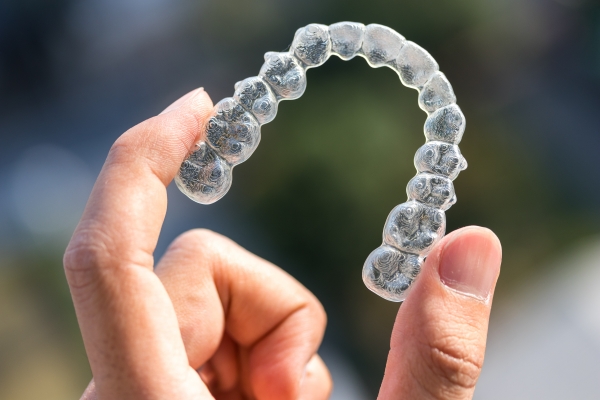
If aesthetics and removability are top priorities, clear aligners remain a strong alternative—particularly for busy Bangkok professionals who cannot compromise their appearance during treatment. Clear aligners offer maximum discretion while providing excellent results for appropriate cases.
The choice between fixed appliances (Damon or conventional) and removable aligners depends largely on lifestyle priorities, compliance ability, and specific treatment requirements. Learn more about our clear aligner options: https://globaldentalcomplex.com/service/clear-aligner-invisalign/
Real-World Treatment Outcomes
Case Study Comparisons
Clinical studies show that both Damon and conventional systems achieve similar treatment outcomes when used by experienced orthodontists. Treatment duration differences are typically minimal, with patient cooperation and case complexity being the primary factors affecting timeline.
Long-Term Stability
Both bracket systems provide equivalent long-term stability when combined with appropriate retention protocols. The key to lasting results lies in proper treatment planning, biomechanical execution, and patient compliance with retention recommendations.
Damon Braces vs Conventional Braces: Cost and Value Comparison
Initial Investment Considerations
Damon braces typically carry a modest premium over conventional brackets due to the sophisticated bracket mechanism and reduced appointment frequency. However, the potential benefits in comfort and hygiene may justify this investment for appropriate candidates.
Long-Term Value
The true value of any orthodontic system lies in achieving stable, healthy, and attractive results that last a lifetime. Both Damon and conventional approaches can deliver this value when executed by qualified specialists with appropriate technology support.
How to Choose the Right Braces for Your Smile Goals
Our orthodontic specialists evaluate each patient’s specific needs, lifestyle requirements, and treatment goals to recommend the most appropriate system. We provide detailed explanations of the benefits and limitations of each approach, ensuring patients make informed decisions based on their individual circumstances.
The choice between Damon and conventional braces should be based on personal preferences for comfort, hygiene priorities, and lifestyle considerations rather than marketing claims about speed or superiority. Both systems, when properly applied, can create beautiful, healthy smiles that last a lifetime.
See our comprehensive orthodontic cases including both traditional and self-ligating options, visit: https://globaldentalcomplex.com/gallery_category/braces/
Professional Consultation Process
During your initial consultation, our orthodontists will explain the specific advantages each system offers for your particular case. We use digital diagnostic tools to show you exactly how different treatment approaches might benefit your specific tooth alignment and bite issues.
This personalized approach ensures you understand all options and can make confident decisions about your orthodontic investment. We believe informed patients achieve better results because they understand and commit to their treatment plan completely.
Schedule Your Comprehensive Evaluation
Contact Global Dental Complex at 065-669-9191 or 02-591-9191 to schedule your detailed orthodontic consultation. Our specialists will evaluate your specific needs and explain how different bracket systems might benefit your unique case, helping you choose the approach that best fits your lifestyle and treatment goals.
External References
- American Association of Orthodontists: https://www.aaoinfo.org/
- Damon System Clinical Research: Available through orthodontic literature databases