

































Dental Implants Hospital vs Clinic: How to Choose the Best Option
When considering dental implants, one of the most common questions patients face is “Should I get dental implants at a hospital or clinic?” This comprehensive guide will help you understand the key differences, advantages and disadvantages, and provide guidance on making the best choice for your specific needs when choosing between hospital vs clinic for dental implants.
Key Differences Between Hospital vs Clinic for Dental Implants
Getting Dental Implants at Hospitals
Hospitals typically offer comprehensive treatment systems with multiple departments that can support various aspects of health that are related to dental care. When it comes to dental implants, hospitals often provide several advantages for complex cases.
Advantages of Hospital Dental Implants:
Comprehensive healthcare approach, ideal for patients with medical conditions Multiple departments for health consultation (Medicine, Heart, Kidney, etc)
Advanced operating rooms with high-standard equipment
Government quality certification and oversight Insurance coverage options available for some procedures Emergency care capabilities if complications arise
Disadvantages of Hospital Dental Implants:
Higher treatment costs compared to private clinics Longer waiting times for appointments and procedures for government hospitals Bureaucratic processes may slow down treatment Limited options for latest materials or techniques May not see the same dentist for every appointment Less personalized care due to institutional nature
Getting Dental Implants at Specialized Clinics
Specialized dental implant clinics, particularly those focusing exclusively on implantology, often provide advantages in terms of expertise and flexible service delivery.
Advantages of Specialized Clinic Dental Implants:
Dentists with high specialization in dental implants Faster treatment timelines and easier appointment scheduling Latest technology and materials available Better personalized service with consistent dentist relationships Flexible treatment planning options In-depth specialized consultations Competitive pricing structures
Disadvantages of Specialized Clinic Dental Implants:
May lack supporting departments for health complications
Full cash payment required, no insurance benefits
Quality assurance requires individual verification
Limited emergency care capabilities
Important Factors When Choosing Between Hospital vs Clinic for Dental Implants
1. Dentist Experience and Expertise
The most crucial factor is the dentist’s experience with dental implants. Procedures like anterior dental implants require exceptional skill, precision, and aesthetic expertise, as they must blend seamlessly with natural teeth in both gum contour and crown appearance.
2. Technology and Equipment
Quality dental implant centers should feature modern technology including:
Digital 3D X-ray systems (CBCT) Computer-aided design and manufacturing (CAD/CAM) Sterile surgical suites meeting international standards
Advanced surgical instruments
3. Cleanliness and Infection Control Standards
Infection control is critical for dental implant success, as post-surgical infections can cause implant failure. Choose facilities with: Dedicated surgical suites Standardized sterilization systems Single-use disposable equipment protocols Strict infection control procedures
4. Pricing and Treatment Packages
Dental implant costs depend on several factors:
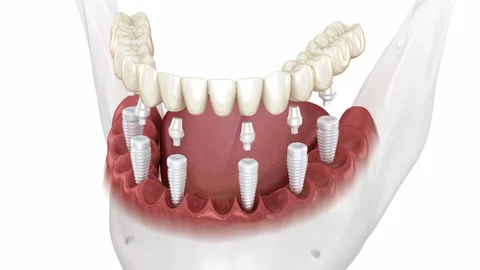
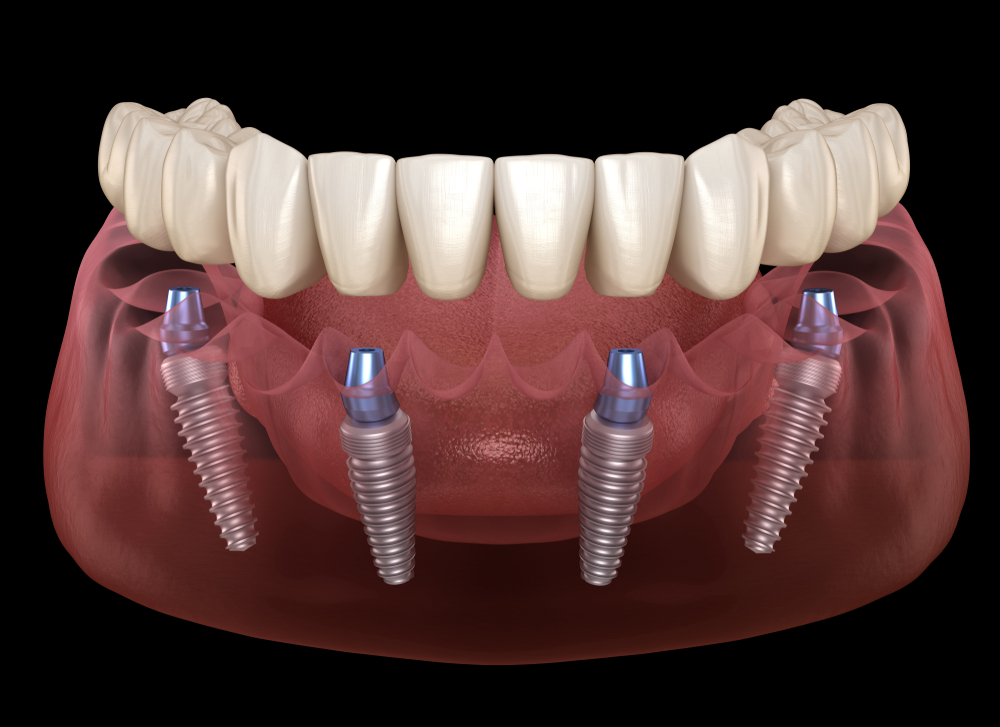
Type of implant system (European, Asian brands) Crown materials (metal, zirconia) Case complexity Need for bone grafting procedures Dentist’s experience level Typically, anterior dental implant costs start around $1,600-$4,000 per tooth, depending on location and complexity. Specialized Treatment: All-on-4 Dental Implants For patients requiring full-mouth tooth replacement, full mouth dental implants All-on-4 in one day is a technique requiring exceptional expertise, often better performed at specialized clinics with extensive experience.
Advantages of All-on-4 at Specialized Clinics:
Dentists with extensive All-on-4 specific experience Specialized equipment and technology for the procedure Faster planning and execution capabilities In-house dental laboratory for seamless coordination Streamlined workflow for same-day procedures Guidance for Making the Right Choice
When to Choose Hospitals for Dental Implants?
Consider hospital treatment if you:
Have complex medical conditions (diabetes, heart disease) Require comprehensive integrated healthcare Can utilize insurance benefits Are not time-sensitive about treatment completion Have anxiety about complications
When to Choose Specialized Clinics for Dental Implants?
Choose specialized clinics if you:
Want highly specialized expertise Have complex aesthetic or technical cases Desire the latest technology and materials Need convenient and fast appointment scheduling Prefer personalized service Want streamlined treatment processes Are comfortable with private pay arrangements Preparing for Dental Implant Treatment
Information to Prepare:
Previous dental treatment history Current medications list Existing medical conditions Recent X-rays (if available)
Treatment budget considerations
Questions to Ask Your Dentist:
How many years of dental implant experience?
Do you have specialized certifications?
Which implant brands do you use?
What warranty or guarantee is provided?
How are complications handled?
What is the complete treatment plan timeline?
What are the success rates for similar cases?
Risks and Precautions
Common Dental Implant Risks:
Infection at implant site Nerve damage or injury Sinus or nasal cavity damage
Implant rejection or failure
Bleeding and swelling complications
Warning Signs to Avoid:
Unclean facilities or poor hygiene Unusually low pricing without explanation No medical history evaluation Unclear treatment information Dentists without proper certifications High-pressure sales tactics
Post-Implant Care Guidelines
Initial Phase (1-2 weeks):
Soft diets Use prescribed antimicrobial mouth rinse Take medications as directed Attend all follow-up appointments Monitor for signs of infection
Long-term Care:
Maintain regular brushing and flossing Annual dental check-ups Avoid smoking and tobacco products Use antibiotic prophylaxis for medical procedures Professional cleanings every 6 months Avoid hard food
Cost Considerations: Hospital vs Clinic for Dental Implants
Hospital Costs:
Generally higher base prices Potential insurance coverage Additional facility fees Comprehensive care packages
Clinic Costs:
More competitive pricing Transparent fee structures
Package deals available
Cash payment discounts
Success Rates and Outcomes
Both hospitals and specialized clinics can achieve excellent success rates with dental implants, typically ranging from 95-98% when proper protocols are followed. The key factors for success include: Proper patient selection Adequate bone quality and quantity Excellent surgical technique

Quality implant systems
Proper post-operative care Regular maintenance
Making Your Decision: Hospital vs Clinic for Dental Implants
The choice between hospital vs clinic for dental implants depends on your individual circumstances:
For typical patients requiring 1-2 dental implants, a quality specialized clinic may be the preferred choice due to specialized expertise and convenience. For patients with complex medical conditions or those requiring comprehensive integrated care, hospitals may provide better peace of mind and safety. For complex cases such as aesthetic anterior dental implants or All-on-4 procedures, specialized clinics with extensive experience often deliver superior results. The most important consideration is selecting a qualified implant dentist with proven experience and a facility that maintains high standards, whether hospital or clinic-based.
Technology Advancements in Dental Implants
Modern dental implant treatment has evolved significantly with technological advances:
Digital Planning:
3D treatment planning software Virtual implant placement Guided surgery systems Precise implant positioning
Materials Innovation:
Titanium implant improvements Zirconia implant options
Advanced surface treatments
Biocompatible materials
Recovery and Timeline Expectations
Immediate Phase (0-2 weeks):
Initial healing and swelling reduction Soft tissue recovery Pain management Diet restrictions
Integration Phase (2-4 months):
Osseointegration process
Bone healing around implant
Temporary restoration options Regular monitoring
Final Phase (4+ months):
Permanent crown placement Bite adjustment Final aesthetic refinements
Long-term care instructions
Conclusion and Recommendations
When deciding between hospital vs clinic for dental implants, there’s no one-size-fits-all answer. Consider these key factors: For most patients seeking 1-2 dental implants, a quality specialized clinic offers advantages in expertise, convenience, and often cost-effectiveness. For patients with medical complexities or those preferring comprehensive institutional care, hospitals provide additional security and integrated treatment approaches. For complex procedures requiring specialized expertise, experienced implant clinics often deliver superior aesthetic and functional outcomes. The critical decision factors include dentist experience, facility standards, technology availability, and your personal comfort level. Whether choosing hospital vs clinic for dental implants, prioritize quality over convenience or cost alone. Dental implants represent a significant investment in your oral health and quality of life. Taking time to research and choose the right provider will ensure successful, long-lasting results that serve you well for decades to come. If you’re considering dental implants, consult with qualified implant specialists to evaluate your specific needs and compare options thoroughly before making your decision.