






































Dental Implants vs Dental Bridge: A Complete Comparison Guide
When facing tooth loss, the decision between dental implants vs dental bridge is a crucial question many patients must consider. Both treatment options offer distinct advantages and disadvantages. Choosing the right treatment will ensure you receive the best results in terms of functionality, aesthetics, and long-term value. This comprehensive article will help you understand the differences between dental implants vs dental bridge solutions, enabling you to make an informed decision with confidence.
What Are Dental Implants?
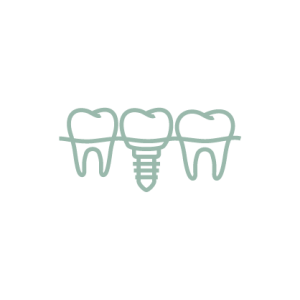
Dental implants are advanced dental treatments that involve placing titanium implant posts into the jawbone to replace lost tooth roots. Dental implants can create strong, beautiful, and permanent new teeth that function like natural ones. Dental implants come in various forms, including anterior dental implants for replacing front teeth lost due to decay, gum disease, or accidents. There’s also the innovative All-on-4 procedure for patients who want a complete set of permanent teeth supported by dental implants in just one day.
Advantages of Dental Implants
Dental implants offer numerous benefits that make them the gold standard for tooth replacement:
No impact on adjacent teeth – No need to grind down neighboring healthy teeth Permanent durability – Can last a lifetime with proper care and maintenance Natural feel and function – Allows full chewing efficiency like natural teeth Prevents bone loss – Stimulates the jawbone to prevent deterioration Easy maintenance – Clean with regular brushing and flossing like natural teeth
Disadvantages of Dental Implants
Despite their advantages, dental implants have some considerations:
Higher initial cost – Requires more upfront investment than dental bridges Extended treatment time – May take 3-6 months for implant integration with bone Surgical procedure required – More complex procedure than bridges Health limitations – Not suitable for certain patients, such as uncontrolled diabetics
What Are Dental Bridges?
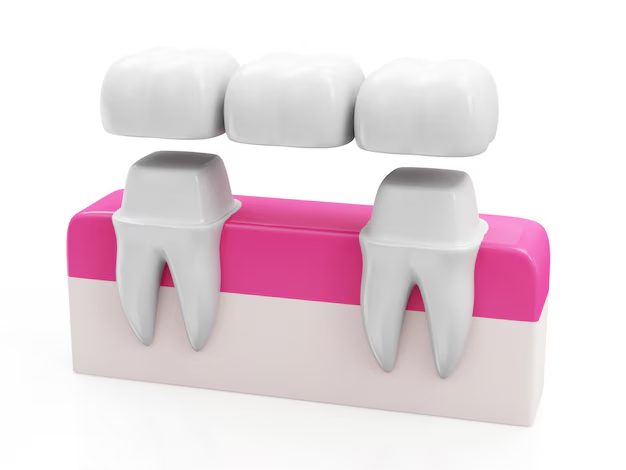
A dental bridge is a treatment that creates artificial teeth anchored to neighboring teeth on both sides of the missing tooth space. The adjacent teeth must be prepared (ground down) to serve as supporting pillars for the bridge structure.
Advantages of Dental Bridges
Dental bridges offer several benefits in the dental implants vs dental bridge comparison:
Lower initial cost – Less expensive than dental implants initially Faster completion – Can be completed within 2-3 weeks No surgery required – Less complex procedure than dental implants Suitable for patients who cannot undergo surgery
Disadvantages of Dental Bridges
When comparing dental implants vs dental bridge, bridges have notable limitations:
Impact on adjacent teeth – Requires grinding down healthy teeth as support pillars Limited lifespan – Typically lasts 5-10 years on average Difficult maintenance – Requires special tools for proper cleaning
Bone deterioration – Cannot prevent jawbone loss like dental implants
Risk of pillar tooth damage – If supporting teeth develop problems, the entire bridge needs replacement
Dental Implants vs Dental Bridge: Key Comparisons
Durability and Longevity
In the dental implants vs dental bridge debate, dental implants clearly win in longevity. Dental implants can last a lifetime with proper care, achieving success rates of 95-98%. Dental bridges have an average lifespan of 5-10 years and may require multiple replacements throughout a patient’s lifetime.
Maintenance and Care
Dental implants can be maintained exactly like natural teeth with regular brushing and flossing routines.
Dental bridges require special floss threaders or interdental brushes to clean underneath the bridge structure properly.
Aesthetics and Natural Appearance
Dental implants provide the highest level of natural appearance, especially for anterior dental implants which require exceptional experience and skill to achieve optimal results. Dental bridges can provide excellent aesthetics but may have limitations in gum contour adjustments compared to dental implants.
Cost Considerations
Short-term costs:
Dental implants: Higher initial investment (starting around ,600-3,000 per implant in Thailand)
Dental bridges: Lower upfront cost
Long-term costs:
Dental implants: More cost-effective due to lifetime durability
Dental bridges: May accumulate higher costs from multiple replacements over time
When to Choose Dental Implants
Dental implants are the preferred choice when:
Long-term durability is desired – Suitable for younger patients or those wanting long-term investment value
Adjacent teeth are healthy – No need to compromise healthy tooth structure Adequate bone is present – Or bone grafting procedures are possible Front teeth replacement – For maximum aesthetics and natural appearance Single or multiple tooth replacement – Dental implants excel in both scenarios
When to Choose Dental Bridges
Dental bridges may be preferable when:
Budget constraints exist – Need lower initial treatment costs
Quick completion required – Time limitations make dental implants impractical Surgery is not possible – Health conditions prevent surgical procedures Adjacent teeth need crowns anyway – Neighboring teeth already require restoration Post-Treatment Care and Maintenance Caring for Dental Implants
Initial healing period (2-4 weeks):
Consume soft foods only Use antibacterial mouthwash instead of brushing for first 2 weeks Avoid brushing directly on surgical sites
Long-term maintenance:
Brush normally like natural teeth Use dental floss daily Regular dental checkups and professional cleanings Caring for Dental Bridges
Special cleaning requirements:
Use specialized floss threaders (superfloss) Employ interdental brushes for thorough cleaning Rinse with antibacterial mouthwash regularly
Important precautions:
Avoid hard foods that might dislodge the bridge Don’t bite hard objects with the bridge area
Advanced Technologies in Modern Treatment
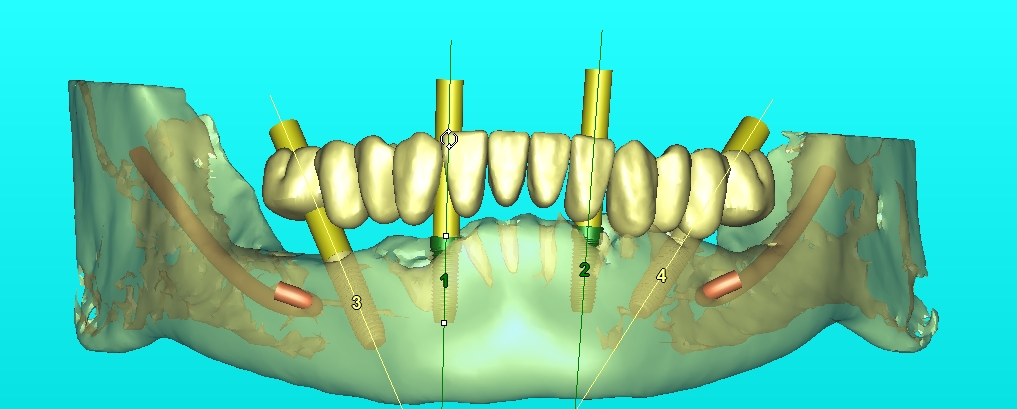
Current innovations have significantly improved dental implants treatment efficiency. The All-on-4 technique allows patients to receive a complete set of permanent teeth supported by dental implants in just one day, eliminating the need to go without teeth during treatment. Digital Treatment Planning and Guided Surgery systems enable more precise dental implants placement, reduce treatment time, and increase success rates significantly.
Factors to Consider in Your Decision
Health-Related Factors
Oral health status:
Condition of gums and remaining teeth Quantity and quality of jawbone structure
General health considerations:
Chronic conditions like diabetes or hypertension Medications that may affect healing and treatment outcomes Lifestyle Factors
When weighing dental implants vs dental bridge, consider:
Age and expected usage duration Convenience in daily maintenance Available budget for treatment Time available for treatment completion
Choosing Your Dental Professional
Selecting an experienced dentist and high-standard treatment center is crucial, especially for dental implants which require exceptional expertise and skill.
Important selection criteria:
Experience and specialization in implant dentistry Modern technology and advanced equipment Sterility and safety standards Accredited surgical facilities Comprehensive post-treatment care
Cost Analysis and Long-Term Value
Long-Term Cost Calculations (20-30 years)
Dental implants:
One-time investment (including maintenance) Approximately $1,600-3,000 per implant in Bangkok Minimal ongoing costs with proper care
Dental bridges:
Replacement every 5-10 years Accumulated costs may exceed dental implants Additional costs for potential pillar tooth complications Frequently Asked Questions
Are Dental Implants Painful?
Dental implants are placed under local anesthesia, making the procedure painless during treatment. Post-surgical swelling may occur for 2-3 days with bone grafting but is manageable with prescribed medications.
How Long Do Dental Bridges Last?
Dental bridges typically last 5-10 years, depending on oral hygiene maintenance and the health of supporting pillar teeth.
How Long is the Dental Implants Treatment Process?
Dental implants require 2-4 months for osseointegration (bone fusion), but immediate temporary teeth can often be provided during the healing period.
Advanced Dental Implants Solutions
Modern dental implants technology offers innovative treatment options:
Immediate loading protocols – Same-day dental implants with temporary crowns
All-on-4 technique – Full-mouth restoration with minimal dental implants
Computer-guided placement – Precise dental implants positioning using digital technology
Bone grafting procedures – Building adequate bone support for dental implants
Making Your Final Decision: Dental Implants vs Dental Bridge
The dental implants vs dental bridge choice ultimately depends on your individual circumstances, health status, and personal preferences. While dental implants offer superior long-term benefits in most cases, dental bridges remain viable options for specific patient situations.
Summary: Dental Implants vs Dental Bridge
There’s no universally right or wrong answer in the dental implants vs dental bridge decision. The choice depends on individual circumstances and needs.
Dental implants are ideal for:
Patients seeking long-term durability
Those with healthy adjacent teeth Individuals with adequate bone or grafting possibilities Cases requiring maximum natural aesthetics
Dental bridges are suitable for:
Patients with initial budget constraints
Those needing quick treatment completion Individuals unable to undergo surgery Cases where adjacent teeth already need crowns Consultation with a specialized dentist will provide personalized recommendations based on your specific situation, ensuring optimal treatment outcomes. If you’re considering dental implants treatment or need additional consultation, contact Global Dental Complex at the numbers provided for expert guidance on your dental implants vs dental bridge decision.