


































How Long Do Braces Take? Average Timeline and Key Factors
One of the most common questions patients ask when considering orthodontic treatment is, “How long will I need to wear braces?” The answer varies significantly based on diagnosis complexity, appliance type, individual biology, and patient compliance. Understanding realistic timelines helps patients plan work schedules, school activities, and life events with confidence while maintaining appropriate expectations throughout their orthodontic journey.
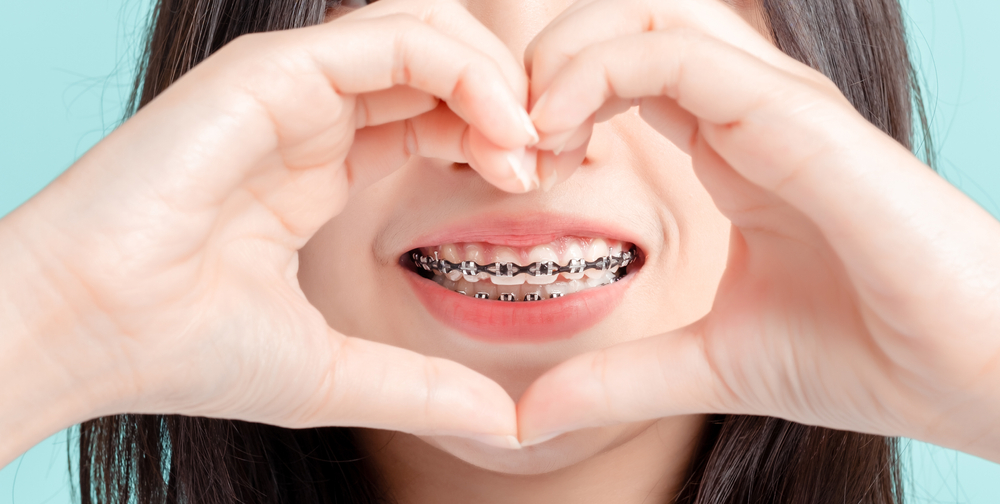
Treatment duration represents a crucial factor in orthodontic decision-making, influencing everything from appliance selection to financial planning and lifestyle considerations. While every case is unique, established patterns and milestones help patients understand what to expect during their transformation journey. Setting realistic expectations early in the process reduces anxiety and helps patients commit to the protocols necessary for optimal outcomes.
Modern orthodontic techniques and materials have streamlined many treatment processes, often reducing overall treatment times compared to traditional approaches. However, biology remains the primary determining factor in how quickly teeth move safely. Understanding the factors that influence treatment duration empowers patients to actively participate in achieving their goals efficiently and predictably.
Typical Durations: What to Expect with Different Appliances
Treatment timelines vary considerably based on the orthodontic appliance chosen and the complexity of each individual case. Understanding typical durations for different treatment approaches helps patients make informed decisions about their orthodontic care.
Metal and Damon Braces: Comprehensive Treatment Timeframes
Traditional metal braces and self-ligating systems like Damon braces represent the most versatile orthodontic appliances, capable of addressing complex movements and bite corrections that other systems cannot achieve.
Standard Timeline Range: Most braces treatment cases require approximately 12 to 36 months for completion. The broad range reflects the significant variation in case complexity, from simple alignment corrections to comprehensive bite reconstruction.
Average Treatment Duration: The majority of patients complete their treatment within 18 to 24 months. This timeframe allows for comprehensive tooth movement, bite correction, and final detailing to achieve optimal results.
Factors Affecting Duration:
- Case Complexity: Simple crowding or spacing issues may resolve in 12-15 months, while complex bite problems requiring jaw coordination may extend to 30+ months
- Age Considerations: Teenage patients often progress faster due to active bone remodeling, while adult treatment may require additional time for conservative tooth movement
- Extraction Cases: Treatment involving tooth removal typically adds 6-12 months to accommodate space closure and proper alignment
- Surgical Coordination: Cases requiring jaw surgery may extend to 3-4 years when including pre-surgical orthodontics, healing time, and post-surgical finishing
Self-Ligating Advantages: Damon braces and similar self-ligating systems often reduce treatment time by 3-6 months compared to traditional brackets due to reduced friction and more efficient tooth movement mechanics.
Invisalign®: Clear Aligner Treatment Timelines
Clear aligner systems offer aesthetic advantages and lifestyle compatibility for appropriately selected cases, with treatment durations that often compare favorably to traditional braces.
Typical Aligner Treatment Duration: Most adult Invisalign cases finish within 12 to 24 months when patients maintain proper wear compliance of 20-22 hours daily.
Wear Time Impact: The critical success factor for aligner treatment is consistent daily wear. Patients who maintain prescribed wear times typically complete treatment within predicted timeframes, while those with poor compliance may experience significantly extended treatment periods.
Case Selection Influence: Simple to moderate alignment issues often resolve efficiently with aligners, while complex bite problems may require longer treatment times or hybrid approaches combining aligners with traditional braces.
Refinement Considerations: Many aligner cases require refinement phases to achieve optimal results. These additional aligner series typically add 3-6 months to total treatment time but ensure comprehensive outcome achievement.
Adult vs. Adolescent Timelines: Adult aligner patients often demonstrate excellent compliance, leading to predictable treatment durations. Teenage aligner treatment may require additional monitoring and motivation to maintain proper wear schedules.
Milestones in the Orthodontic Journey
Understanding the phases of orthodontic treatment helps patients recognize progress and maintain motivation throughout their transformation journey. Each milestone represents significant progress toward the final goal.
Phase 1: Consultation and Diagnostics
The treatment journey begins with comprehensive evaluation and treatment planning, typically requiring 1-2 appointments over 2-4 weeks.
Initial Consultation: Orthodontists evaluate teeth, bite relationships, jaw function, and overall oral health to determine treatment candidacy and approach options.
Diagnostic Records: Comprehensive digital imaging, photographs, and study models document current conditions and enable precise treatment planning.
Treatment Planning: Advanced 3D treatment planning technology allows detailed analysis and virtual treatment simulation before beginning active treatment.
Financial Planning: Transparent discussion of treatment costs, payment options, and insurance coverage helps patients prepare for their orthodontic investment.
Phase 2: Appliance Placement and Initial Alignment
The active treatment phase begins with appliance placement and focuses on initial tooth alignment and space management.
Appliance Installation: Bracket bonding for braces or aligner delivery for clear aligner systems marks the official start of active treatment.
Initial Discomfort Period: The first 3-7 days typically involve adjustment to appliances and mild discomfort as teeth begin responding to orthodontic forces.
Early Movement: Initial tooth alignment becomes visible within 4-8 weeks, providing motivation and confirming treatment progress.
Adjustment Schedule: Regular appointments every 4-8 weeks allow orthodontists to monitor progress and make necessary modifications to maintain treatment momentum.
Phase 3: Major Alignment and Space Management
The primary treatment phase focuses on resolving crowding, closing gaps, and achieving proper tooth positioning.
Space Closure: Extraction cases require systematic space closure over 6-12 months, carefully coordinating movement to maintain proper proportions.
Rotation Correction: Twisted teeth gradually rotate into proper position, often requiring specialized mechanics and extended time for stable results.
Vertical Alignment: Teeth positioned too high or low slowly move into proper vertical relationships with adjacent teeth.
Progress Monitoring: Regular progress evaluations ensure treatment stays on schedule and address any unexpected developments promptly.
Phase 4: Bite Correction and Functional Coordination
Advanced treatment phases focus on optimizing bite relationships and ensuring proper function.
Overbite/Underbite Correction: Improving front-to-back bite relationships often requires specialized mechanics and careful coordination of upper and lower teeth.
Crossbite Resolution: Correcting teeth that bite on the wrong side requires precise force application and careful monitoring to prevent relapse.
Midline Correction: Aligning dental midlines with facial features ensures optimal aesthetic results and facial harmony.
Functional Assessment: Testing bite relationships during function helps identify and address any remaining coordination issues.
Phase 5: Detailing and Finishing
The final treatment phase focuses on perfecting tooth positions and preparing for appliance removal.
Fine Positioning: Minor adjustments perfect tooth alignment and ensure optimal contact relationships between adjacent teeth.
Settling: Allowing time for bite relationships to settle naturally ensures stable, comfortable function before treatment completion.
Final Records: Comprehensive documentation captures final results and provides baseline records for future comparison.
Appliance Removal: Careful removal of brackets and bonding material, followed by thorough cleaning and polishing.
Phase 6: Retention and Long-term Stability
The retention phase protects treatment investment and ensures long-term stability of results.
Retainer Delivery: Custom-fitted retainers, whether removable or fixed, begin immediately after appliance removal to prevent relapse.
Retention Schedule: Initial full-time retainer wear gradually transitions to nighttime-only wear based on individual stability requirements.
Long-term Monitoring: Periodic check-ups monitor retention effectiveness and address any shifting before significant relapse occurs.
Lifetime Commitment: Understanding that retention represents a lifelong commitment ensures patients maintain their orthodontic investment.
What Speeds Up (or Slows) Treatment: Patient Control Factors
While biology ultimately determines how quickly teeth move safely, several patient-controlled factors significantly influence treatment efficiency and final outcomes.
Biological and Health Factors
Individual Biology: Genetic factors influence bone density, tooth root shape, and tissue response, creating natural variation in treatment speed between patients.
Age Considerations: Younger patients typically experience faster tooth movement due to active bone remodeling, while adult treatment requires more conservative approaches.
Periodontal Health: Healthy gums provide optimal conditions for tooth movement. Inflammation or gum disease can significantly slow treatment progress and compromise results.
Bone Quality: Dense bone may slow tooth movement but provides excellent stability, while less dense bone allows faster movement but may require longer retention periods.
Medical Conditions: Certain medications, medical conditions, and hormonal changes can influence orthodontic treatment speed and stability.
Compliance and Attendance Factors
Appointment Consistency: Regular attendance at scheduled appointments maintains treatment momentum and prevents delays from missed adjustments.
Emergency Management: Prompt attention to broken brackets, lost aligners, or other appliance problems prevents treatment delays and complications.
Elastic Wear: For patients requiring elastic wear, consistent compliance with prescribed wearing schedules significantly impacts treatment efficiency and final results.
Aligner Compliance: Clear aligner success depends entirely on maintaining 20-22 hour daily wear times and progressing through aligner series as prescribed.
Treatment Modifications: Following orthodontist instructions regarding diet, oral hygiene, and appliance care prevents complications that can extend treatment time.
Oral Hygiene and Maintenance Factors
Daily Hygiene Excellence: Thorough daily cleaning around brackets and wires prevents decalcification, cavities, and gum inflammation that can delay planned tooth movements.
Professional Cleaning: Regular dental cleanings and check-ups maintain optimal oral health conditions necessary for efficient orthodontic treatment.
Diet Compliance: Following dietary recommendations prevents bracket damage and maintains appliance integrity throughout treatment.
Fluoride Use: Appropriate fluoride supplementation helps prevent white spot lesions and maintains enamel health during treatment.
Problem Recognition: Early identification and reporting of potential issues allows prompt intervention before complications develop.
Strategies for Staying on Schedule
Patients who actively participate in their orthodontic care typically achieve better results in shorter timeframes. Several strategies help maintain treatment momentum and avoid common delays.
Establishing Successful Routines
Consistent Daily Care: Developing thorough hygiene routines and elastic-wearing schedules creates habits that support treatment success.
Appointment Planning: Scheduling appointments well in advance and treating them as non-negotiable commitments prevents treatment delays.
Emergency Preparedness: Understanding how to handle common orthodontic emergencies prevents minor problems from becoming major delays.
Progress Tracking: Maintaining awareness of treatment progress and milestones helps patients stay motivated and engaged throughout the journey.
Communication with Treatment Team
Open Communication: Discussing concerns, challenges, or changes in circumstances allows orthodontists to modify treatment approaches as needed.
Question Asking: Understanding treatment goals, current progress, and remaining steps helps patients participate actively in their care.
Feedback Provision: Reporting comfort levels, functional changes, and any problems ensures optimal treatment adjustments.
Goal Alignment: Regular discussion of treatment objectives and timeline expectations keeps everyone focused on shared goals.
Lifestyle Integration
Travel Planning: Coordinating orthodontic appointments with work and travel schedules prevents treatment disruptions.
Activity Modification: Temporary modifications to sports, musical instruments, or other activities may be necessary to protect appliances and maintain progress.
Social Preparation: Understanding appearance changes and temporary adjustments helps patients maintain confidence throughout treatment.
Long-term Perspective: Maintaining focus on final treatment goals helps patients persist through temporary inconveniences and challenges.
Managing Expectations: When Treatment Takes Longer
Some cases require extended treatment times due to complexity, biology, or unexpected developments. Understanding these situations helps patients maintain realistic expectations and treatment commitment.
Complex Case Considerations
Severe Crowding: Cases requiring significant space creation or tooth removal typically extend beyond average treatment times.
Bite Reconstruction: Comprehensive bite correction involving multiple planes of movement requires extended treatment periods.
Adult Treatment: Mature bone requires more conservative force application and longer treatment times to ensure healthy tooth movement.
Medical Complications: Health conditions or medications may necessitate treatment modifications that extend duration.
Unexpected Developments
Root Resorption: Some patients experience root shortening during treatment, requiring temporary treatment suspension and modified approaches.
Tooth Impaction: Discovery of impacted teeth may require surgical intervention and additional orthodontic coordination.
Compliance Issues: Poor patient compliance with instructions inevitably extends treatment time and may compromise final results.
Biological Variation: Some patients naturally experience slower tooth movement despite optimal conditions and compliance.
Planning Life Events Around Treatment
Strategic planning helps patients coordinate orthodontic treatment with important life events and professional obligations.
Academic Considerations
School Schedules: Starting treatment during summer breaks allows adjustment time before returning to school activities.
Senior Pictures: Timing treatment completion before important photography sessions requires careful planning with orthodontists.
College Planning: Coordinating treatment completion before college departure ensures continuity of care and retention supervision.
Professional Considerations
Career Transitions: Planning treatment around job changes or professional presentations helps minimize workplace adjustments.
Public Speaking: For patients with speaking responsibilities, gradual appliance adjustment helps maintain clear communication.
Industry Requirements: Some professions may influence appliance selection and treatment timing decisions.
Social and Family Events
Wedding Planning: Coordinating treatment completion with wedding dates requires careful timeline planning and realistic expectations.
Family Photos: Timing treatment phases around important family events helps ensure optimal appearance for lasting memories.
Travel Considerations: International travel during treatment requires advance planning for emergency care and appointment scheduling.
Conclusion: Your Timeline to a Perfect Smile
Orthodontic treatment duration varies significantly based on individual factors, but understanding typical timelines and milestones helps patients plan confidently for their transformation journey. Whether choosing traditional braces with 18-24 month average treatment times or clear aligners with 12-24 month durations, success depends on realistic expectations, consistent compliance, and active participation in the treatment process.
The investment in orthodontic treatment time pays lifelong dividends through improved oral health, enhanced confidence, and functional benefits that last a lifetime. By understanding treatment phases, maintaining excellent compliance, and working closely with qualified orthodontic professionals, patients can achieve optimal results efficiently and predictably.
Remember that orthodontic treatment represents a journey rather than a destination. Each phase brings visible progress toward final goals, and the temporary commitment to appliances and appointments yields permanent improvements to oral health and smile aesthetics. The key to success lies in maintaining perspective, following professional guidance, and trusting the process that has helped millions of patients achieve beautiful, healthy smiles.