




































Ready to care for your smile with confidence.
For more information or to schedule a consultation with a dentist at Global Dental Complex, please contact us.
📞 Call / WhatsApp: (+66) 065-669-9191
💬 LINE: @globaldentalcpx
🌐 Website: globaldentalcomplex.com/th
Book your consultation today and start planning the treatment that is right for you.
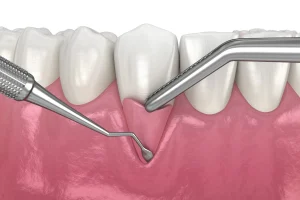
Gum grafting is a surgical procedure for treating gum recession or bulking gum thickness or increasing tough tissue around teeth or dental implant.
During a gum grafting procedure, a small amount of gum tissue is taken from another part of the mouth, usually from the roof of the mouth, and transplanted to the area of treated tissue. The gum tissue is then carefully stitched into place.
Gum Surgery in Thailand
There are several types of gum grafting procedures available in Thailand, including connective tissue grafts, free gingival grafts, and pedicle grafts, each of which is tailored to the specific needs of the patient. The procedure is typically performed under local anesthesia, and patients may experience some discomfort and swelling for a few days following the procedure.
Connective tissue graft
The connective tissue graft procedure involves the removal of a thin layer of tissue from the palate, which contains the connective tissue. This tissue is then carefully separated from the overlying epithelium. The connective tissue is then placed in the area of gum recession or thin tissue, and carefully stitched into place.
Free gingival graft
The free gingival graft involves removing both the connective tissue and the epithelium layers. Once the tissue is removed from the palate, it is then transferred to the area of inadequate tough tissue and carefully stitched into place.
Free gingival grafts are particularly useful in cases where the patient has inadequate tough gingiva. They can help to improve the thickness and toughness of the gums, which can provide better protection for the teeth and dental implants.
Pedicle grafts
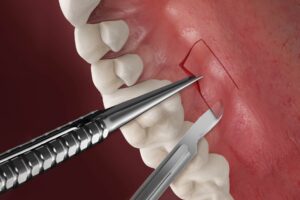
A pedicle graft, also known as a lateral pedicle graft or a lateral sliding flap graft, is a type of gum grafting procedure that is used to treat gum recession. During this procedure, a small piece of gum tissue is taken from an area adjacent to the area of recession, and then transferred to cover the exposed root surface.
The tissue is carefully lifted and slid over to cover the exposed root surface, while still attached to its blood supply. The tissue is then carefully stitched into place, allowing it to fuse with the surrounding gum tissue and heal over time.
Pedicle grafts are particularly useful in cases where the patient has a significant amount of gum tissue adjacent to the area of recession. The tissue can be carefully lifted and slid over to cover the exposed root surface, without the need to remove tissue from another part of the mouth.
Gum grafting is an effective treatment to prevent further damage to the teeth and gums. It can also improve the appearance of the gums and enhance the overall aesthetic of the smile. It is important to consult with a qualified dental professional to determine if gum grafting is the right option for your specific dental needs
If you are considering gum surgery in Thailand, require a gum graft, or to schedule an appointment, contact Global Dental Complex today.
Gum Grafting: Restoring Receding Gums and Protecting Your Teeth
Healthy gums are essential for protecting the teeth, supporting the roots, and maintaining a natural-looking smile. When the gums recede, the tooth roots may become exposed, making the teeth look longer and increasing the risk of sensitivity, root decay, and further gum problems. In selected cases, Gum Grafting may be recommended to restore lost gum tissue and protect the exposed root surfaces.
Gum Grafting is a periodontal procedure used to treat gum recession. During the treatment, soft tissue is added to the area where the gum has pulled away from the tooth. The goal is to improve gum coverage, reduce sensitivity, support oral health, and create a more balanced gumline.
Gum recession can develop slowly over time, and many patients do not notice it until the teeth look longer or sensitivity becomes more noticeable. Early evaluation is important because not every case of gum recession requires surgery, but untreated recession may continue to progress in some patients.
What Is Gum Grafting?
Gum Grafting is a dental procedure that adds soft tissue to areas with thin or receding gums. The tissue may come from the patient’s own mouth, commonly from the palate, or from a suitable grafting material depending on the case and the dentist’s recommendation.
The graft is placed over or near the exposed root area and secured in position. Over time, the grafted tissue heals and becomes part of the surrounding gum tissue. This can help increase gum thickness, improve root coverage, and reduce the risk of further recession.
There are different types of gum grafting techniques. The best method depends on the severity of gum recession, the thickness of the existing gum tissue, the number of teeth involved, the patient’s oral hygiene, and the overall periodontal condition.
Why Do Gums Recede?
Gum recession happens when the gum tissue pulls away from the tooth, exposing more of the tooth or its root. This can occur for many reasons. In some patients, recession is caused by aggressive tooth brushing. In others, it may be related to gum disease, thin gum tissue, tooth position, orthodontic movement, grinding, clenching, or long-term irritation.
Common causes of gum recession include:
- Brushing too hard or using a hard-bristled toothbrush
- Gum disease or periodontal infection
- Thin or delicate gum tissue
- Teeth positioned outside the natural bone contour
- Past or current orthodontic treatment
- Teeth grinding or clenching
- Poor oral hygiene and plaque buildup
- Tobacco use
- Lip or tongue piercings that irritate the gum
- Genetic factors affecting gum thickness
Identifying the cause is important before starting treatment. If the cause is not controlled, gum recession may continue even after Gum Grafting.
Signs You May Need Gum Grafting
Not every case of gum recession requires surgery, but some symptoms may indicate that professional evaluation is needed. A dentist or periodontist can assess whether Gum Grafting is suitable for your condition.
You may need an evaluation if you notice:
- Teeth that appear longer than before
- Visible tooth roots
- Tooth sensitivity to cold, heat, or brushing
- A notch or groove near the gumline
- Uneven gum levels
- Thin gums that continue to recede
- Food trapping near the gumline
- Concerns about the appearance of your smile
- Recession that is getting worse over time
Early diagnosis helps determine whether the recession can be managed with non-surgical care, improved brushing technique, periodontal treatment, or whether gum grafting is needed.
Benefits of Gum Grafting
1. Helps Cover Exposed Tooth Roots
One of the main goals of Gum Grafting is to cover exposed root surfaces. Root coverage can help protect the tooth and improve the appearance of teeth that look too long due to recession.
2. May Reduce Tooth Sensitivity
Exposed roots can be sensitive because they are not protected by enamel in the same way as the crown of the tooth. Gum grafting may help reduce sensitivity by covering the exposed area and increasing soft tissue protection.
3. Supports Long-Term Gum Health
Thin gum tissue may be more prone to further recession. By adding thicker tissue to the area, Gum Grafting can help improve gum stability and make the area easier to maintain in the long term.
4. Improves Gumline Appearance
Uneven or receded gums can affect the appearance of the smile. Gum grafting may help create a more balanced gumline, especially when recession affects the front teeth.
5. Protects Against Further Recession
In suitable cases, gum grafting can help reinforce weak or thin gum tissue and reduce the risk of recession progressing. However, long-term success also depends on brushing habits, plaque control, and regular dental follow-up.
Types of Gum Grafting Procedures
Connective Tissue Graft
A connective tissue graft is one of the most commonly used methods for treating gum recession. Tissue is taken from beneath the surface layer of the palate and placed over the exposed root area. This technique is often used when root coverage and tissue thickening are needed.
Free Gingival Graft
A free gingival graft uses tissue taken directly from the surface of the palate. It is often used to increase the amount of firm gum tissue around a tooth, especially when the existing gum tissue is very thin.
Pedicle Graft
A pedicle graft uses gum tissue from an area next to the recession site. The tissue is partially moved over the exposed root while still attached at one side. This technique may be suitable when there is enough nearby gum tissue.
Grafting Material or Donor Tissue
In some cases, suitable grafting material or donor tissue may be used instead of taking tissue from the patient’s palate. This may reduce discomfort at the donor site, but suitability depends on the clinical situation and the dentist’s recommendation.
The Gum Grafting Procedure
1. Consultation and Gum Assessment
The first step is a detailed evaluation. Your dentist will check the recession depth, gum thickness, oral hygiene, bite, tooth position, and signs of periodontal disease. Photos, measurements, and X-rays may be taken to support diagnosis and treatment planning.
2. Treatment Planning
Before Gum Grafting, the dentist will identify the cause of gum recession and recommend the most suitable technique. If there is active gum disease, inflammation, or heavy plaque buildup, these issues may need to be treated before grafting.
3. Local Anesthesia
The procedure is usually performed under local anesthesia to keep the treatment area comfortable. The dentist will numb the grafting site and, if needed, the donor site.
4. Preparing the Recipient Area
The gum around the receded tooth is carefully prepared so the graft can be placed and stabilized. The root surface may also be cleaned before the graft is positioned.
5. Placing the Graft
The graft tissue is placed over or near the exposed root area and secured with fine sutures. The exact placement depends on the type of graft and the goal of treatment.
6. Healing and Follow-Up
After the procedure, the graft needs time to heal and integrate with the surrounding tissue. Follow-up visits are important to check healing, remove sutures if needed, and confirm that the graft is stable.
Is Gum Grafting Painful?
Gum Grafting is usually performed with local anesthesia, so patients should not feel sharp pain during the procedure. After treatment, some soreness, swelling, or tenderness is expected, especially if tissue is taken from the palate.
Discomfort varies depending on the grafting technique, the number of teeth treated, the donor site, and individual healing response. Your dentist will provide aftercare instructions and may prescribe medication to help manage discomfort during recovery.
Recovery After Gum Grafting
Recovery after Gum Grafting requires careful home care. The grafted area should be protected while it heals. Patients should avoid brushing or flossing directly on the surgical site until the dentist gives permission.
General recovery instructions may include:
- Eat soft foods during the early healing period
- Avoid hot, spicy, crunchy, or hard foods at first
- Do not pull the lip or cheek to look at the graft
- Avoid brushing the surgical area until instructed
- Use prescribed mouth rinse if recommended
- Avoid smoking, as it can delay healing
- Take medication as prescribed
- Attend all follow-up appointments
Most patients can return to normal daily activities soon, but the grafted tissue continues to mature over time. Final appearance and stability may take several weeks or longer to fully develop.
How Long Does Gum Grafting Take to Heal?
Initial healing usually occurs within the first few weeks, but complete tissue maturation takes longer. The exact healing time depends on the graft type, the size of the area treated, oral hygiene, smoking status, and overall health.
Your dentist will monitor healing and let you know when it is safe to return to normal brushing and flossing around the treated area. It is important not to rush this process, because disturbing the graft too early can affect the final result.
Will Gum Grafting Completely Cover the Exposed Root?
In many cases, Gum Grafting can improve root coverage, but complete coverage is not guaranteed for every patient. The result depends on factors such as recession depth, tooth position, bone level, gum thickness, root shape, and whether there has been tissue loss between the teeth.
For some patients, the goal may be full root coverage. For others, the main goal may be to thicken the gum tissue, reduce sensitivity, and prevent further recession. Your dentist will explain what outcome is realistic for your specific case.
Gum Grafting for Front Teeth
Gum recession on the front teeth can affect both comfort and appearance. When the roots of front teeth are exposed, the teeth may look longer and the gumline may appear uneven. Gum Grafting may be recommended to improve the gum contour and create a more balanced smile.
Because the front teeth are highly visible, treatment planning must consider aesthetics carefully. The dentist will evaluate gum color, tissue thickness, smile line, tooth shape, and the amount of recession before choosing the grafting technique.
Gum Grafting Around Dental Implants
Soft tissue thickness is also important around dental implants. Thin gum tissue around an implant may increase the risk of recession, visible metal color, food trapping, or inflammation. In some cases, gum grafting may be used to improve the soft tissue around an implant.
Gum grafting around implants is different from grafting around natural teeth because implants do not have the same ligament and root surface as natural teeth. The treatment goal may focus more on tissue thickness, hygiene access, stability, and appearance.
How to Prevent Gum Recession After Treatment
Long-term success after Gum Grafting depends on both the procedure and daily habits. Even after successful grafting, gum recession can return if the original cause is not controlled.
To protect your gums after treatment:
- Use a soft-bristled toothbrush
- Brush gently with proper technique
- Avoid scrubbing aggressively along the gumline
- Maintain regular dental cleanings
- Treat gum disease early if signs appear
- Wear a night guard if you grind or clench your teeth, if recommended
- Avoid tobacco products
- Follow your dentist’s maintenance schedule
Gum Grafting vs. Non-Surgical Gum Treatment
Non-surgical gum treatment may help when gum recession is related to inflammation, plaque buildup, or gum disease. This may include professional cleaning, scaling and root planing, improved oral hygiene, and monitoring.
However, non-surgical treatment cannot replace lost gum tissue. If the gums have receded significantly or the tissue is too thin, Gum Grafting may be needed to restore soft tissue support and improve root coverage.
Risks and Limitations of Gum Grafting
Like any surgical procedure, Gum Grafting has risks and limitations. Possible issues include swelling, bleeding, discomfort, infection, graft shrinkage, incomplete root coverage, color mismatch, or the need for additional treatment.
These risks can often be reduced with careful planning, good oral hygiene, proper surgical technique, and following aftercare instructions. Patients who smoke or have uncontrolled gum disease may have a higher risk of complications or less predictable healing.
Questions to Ask Before Gum Grafting
Before starting treatment, it is helpful to ask your dentist clear questions so you understand the plan and expected outcome.
- What caused my gum recession?
- Do I need gum grafting, or can it be monitored?
- Which grafting technique is recommended for me?
- Will tissue be taken from my palate?
- How much root coverage can I realistically expect?
- How long will healing take?
- What should I avoid after the procedure?
- How can I prevent recession from returning?
Conclusion: Gum Grafting Can Help Protect Your Teeth and Improve Gum Health
Gum Grafting is an effective treatment option for selected cases of gum recession. It can help cover exposed roots, reduce sensitivity, improve gum thickness, and support a healthier gumline. For patients concerned about teeth that look longer, uneven gums, or worsening recession, a professional evaluation is the best first step.
The success of gum grafting depends on proper diagnosis, careful technique, and long-term maintenance. If your gums are receding or your tooth roots are exposed, your dentist can assess the cause and recommend whether Gum Grafting or another treatment option is most appropriate for your oral health.
Frequently Asked Questions About Gum Grafting
What is gum grafting?
Gum Grafting is a periodontal procedure that adds soft tissue to areas where the gums have receded. It may help cover exposed roots, reduce sensitivity, and improve gum thickness.
Do I need gum grafting for every case of gum recession?
No. Some mild recession can be monitored or managed with improved brushing technique and periodontal care. Gum grafting may be recommended when recession is progressing, roots are exposed, or the gum tissue is too thin.
Is gum grafting painful?
The procedure is usually performed under local anesthesia. Some soreness or tenderness after treatment is expected, especially if tissue is taken from the palate, but discomfort is usually manageable with proper care.
How long does gum grafting take to heal?
Initial healing often takes a few weeks, but complete tissue maturation takes longer. Your dentist will monitor healing and guide you on when to resume normal brushing and flossing around the area.
Can gum grafting stop gum recession?
Gum grafting can help stabilize the area and reduce the risk of further recession in suitable cases. However, long-term success depends on controlling the cause, such as brushing technique, gum disease, grinding, or smoking.
Will my gums look natural after grafting?
The goal is to create healthy, stable gum tissue that blends with the surrounding area. The final appearance depends on the grafting technique, tissue quality, recession severity, and healing response.
Can gum grafting be done around implants?
Yes, in some cases gum grafting may be used around dental implants to improve tissue thickness, appearance, and hygiene access. The treatment plan depends on the implant position and soft tissue condition.