





























Treating Severe Crowding: Best Orthodontic Options Explained
Severe crowding challenges both hygiene maintenance and aesthetic appearance, creating complex orthodontic scenarios that require careful planning and execution. Modern orthodontics offers multiple conservative approaches to create adequate space while protecting gums and enamel integrity. This comprehensive guide outlines proven planning strategies, appliance selection criteria, realistic treatment timelines, and essential long-term retention protocols for optimal outcomes.

What Makes Severe Crowding Complex to Treat?
Severe crowding occurs when tooth size significantly exceeds available arch space, resulting in overlapping, rotation, and displacement of multiple teeth. This condition affects approximately 15-20% of the population and creates numerous challenges beyond aesthetics.
Clinical Implications
Overlapped teeth create inaccessible areas for proper oral hygiene, leading to localized plaque accumulation, gingivitis, and increased caries risk. The irregular tooth positions also cause uneven chewing forces, potentially leading to premature wear and temporomandibular joint dysfunction over time.
Psychological Impact
Severe crowding often affects smile confidence and social interactions. Many patients report avoiding photographs or covering their mouths when speaking or laughing, impacting both personal and professional relationships significantly.
What Makes Severe Crowding Complex to Treat?
When Interproximal Reduction (IPR) Is Required
Conservative enamel polishing represents the most minimally invasive approach to gain precious millimeters across the dental arch. This technique involves careful removal of small amounts of enamel between adjacent teeth, typically 0.2-0.5mm per contact point.
IPR must be performed with precision using specialized diamond strips and discs under magnification. The procedure creates space while maintaining healthy contact points and preserving enamel integrity. Research shows that properly executed IPR causes no long-term adverse effects and significantly reduces the need for extractions in borderline cases.
Using Arch Expansion to Create Tooth Space
Controlled arch widening can be highly effective when patient biology permits harmonious arch form expansion. This approach works particularly well in growing patients where sutural expansion is possible, and in adults where dentoalveolar expansion can be achieved within biologic limits.
Expansion protocols must respect anatomical boundaries to avoid root resorption, bone dehiscence, or relapse. Digital treatment planning helps determine optimal expansion amounts and ensures realistic treatment goals are established from the beginning.
When Tooth Extraction Is the Best Solution
When tooth-jaw discrepancy is significant or facial profile benefits from controlled retraction, extraction therapy provides definitive space for alignment. Modern extraction protocols focus on minimizing treatment time while achieving stable occlusal relationships.
Extraction decisions require careful analysis of facial proportions, lip support, and smile aesthetics. The goal is creating adequate space for alignment while maintaining or enhancing facial harmony and profile balance.
Choosing the Right Braces for Severe Crowding
Why Fixed Braces Excel in Severe Cases
Fixed orthodontic appliances provide robust control over root angulation, torque expression, and three-dimensional tooth positioning essential for severe crowding correction. The continuous force delivery and precise bracket prescription allow predictable tooth movement even in challenging cases.
Metal brackets offer maximum durability and can withstand the significant forces required for rotating severely malpositioned teeth. Damon self-ligating brackets may provide enhanced comfort during initial alignment while maintaining the control necessary for complex movements.
Can Invisalign Effectively Treat Severe Crowding?
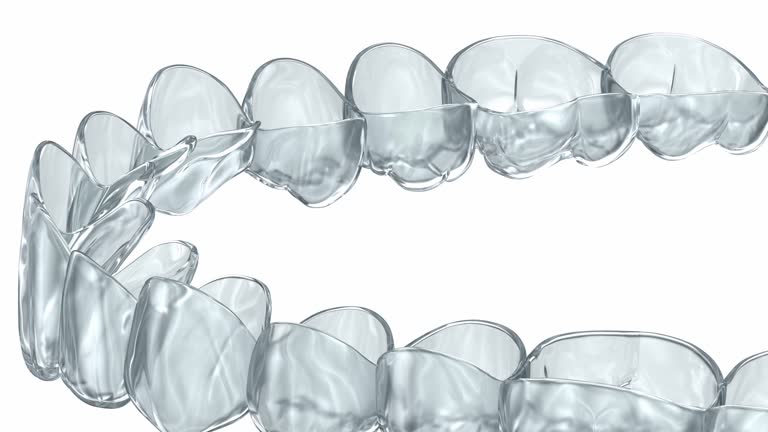
Clear aligners can effectively manage severe crowding in carefully selected cases, utilizing digital staging protocols for controlled expansion and precise IPR execution. The treatment planning software allows visualization of space creation and tooth movement sequences before beginning treatment.
Invisalign works best for severe crowding when extraction is not required and when patients demonstrate excellent compliance with wearing schedules. The removable nature requires strong patient commitment but offers lifestyle advantages during the extended treatment period.
For detailed information about our orthodontic appliance options, visit: https://globaldentalcomplex.com/service/braces/ | https://globaldentalcomplex.com/service/clear-aligner-invisalign/
Treatment Phases and Sequencing
Initial Alignment Phase
The first treatment phase focuses on relieving severe crowding through space creation and initial tooth alignment. This phase typically requires 6-12 months and may involve temporary worsening of appearance as teeth begin moving into available space.
During this phase, patients must maintain excellent oral hygiene despite increased difficulty accessing overlapped areas. Regular professional cleanings help prevent complications while teeth are moving into better positions.
Space Closure and Coordination
Once adequate space is created, the focus shifts to coordinating arch forms and closing any remaining spaces systematically. This phase requires precise force control to avoid unwanted side effects while achieving ideal tooth positions.
Interdisciplinary coordination may be necessary if restorative work is planned, ensuring orthodontic positions support optimal prosthetic outcomes and long-term oral health.
Finishing and Detailing
The final treatment phase emphasizes bite refinement, contact optimization, and esthetic detailing. This phase often requires the most time and attention, as achieving ideal occlusal relationships and smile characteristics demands precise adjustments and patient cooperation.
How Long Does Severe Crowding Treatment Take?
Treatment Duration Expectations
Severe crowding cases often require 18-30 months for comprehensive correction, depending on the complexity of movements needed and patient cooperation throughout treatment. This extended timeline reflects the biological limitations of tooth movement and the precision required for stable results.
Rushing severe crowding treatment rarely produces optimal outcomes and may compromise long-term stability. The biological process of bone remodeling requires adequate time for healthy, predictable tooth movement.
Regular Monitoring Schedule
Review appointments every 4-6 weeks ensure alignment progress stays on track, allow for elastic adjustments, and maintain optimal gum health throughout treatment. These frequent visits are essential for detecting tracking problems early and making necessary corrections promptly.
During severe crowding treatment, close monitoring prevents complications such as root resorption, gum recession, or unwanted tooth tipping that could compromise final results.
Prolonged Detailing Requirements
Heavy crowding cases may need extended detailing phases to finalize bite contacts and optimize esthetic outcomes. This finishing period ensures teeth settle into stable positions with proper functional relationships.
Patient cooperation with elastic wear and retention protocols becomes crucial during this phase, as the final months of treatment often determine long-term stability and satisfaction with results.
Advanced Treatment Considerations
Biomechanical Challenges
Severe crowding presents unique biomechanical challenges that require specialized knowledge and experience. Issues such as blocked-out teeth, severe rotations, and impacted canines demand sophisticated treatment mechanics and careful force control.
Orthodontists must understand the interaction between different tooth movements and plan sequences that avoid unwanted side effects while achieving treatment goals efficiently.
Interdisciplinary Coordination
Complex crowding cases may require coordination with other dental specialists. Periodontists may be needed for gum health optimization, while restorative dentists might plan prosthetic replacements for severely compromised teeth.
This team approach ensures comprehensive treatment that addresses all aspects of oral health while achieving optimal orthodontic outcomes.
Maintaining Your Results After Crowding Correction
Retention Protocol Importance
Retainers protect arch width and space distribution after active treatment completion. The biological tendency for crowding relapse, particularly in the lower anterior region, makes retention protocols absolutely essential for long-term success.
Different retention approaches may be recommended based on initial severity, age at treatment, and individual relapse risk factors. Some patients benefit from permanent retention, while others can transition to nighttime-only protocols after initial healing.
Long-Term Commitment
Long-term nighttime retainer wear represents a small daily habit that secures decades of orthodontic benefit and maintains the significant investment made in treatment. Most patients find this routine becomes automatic and hardly noticeable after the initial adaptation period.
Technology and Precision at Global Dental Complex
Digital Diagnostic Tools
Our Bangkok clinic utilizes advanced imaging and treatment planning software to analyze severe crowding cases comprehensively. 3D scanning technology provides precise measurements for space analysis and treatment simulation.
Customized Treatment Protocols
Each severe crowding case receives individualized treatment planning based on specific anatomical factors, patient preferences, and lifestyle requirements. This personalized approach optimizes outcomes while respecting biological limitations.
Patient Education and Compliance
Understanding Treatment Complexity
Patients with severe crowding must understand that comprehensive correction requires time, patience, and excellent cooperation. Setting realistic expectations about treatment duration and intermediate stages helps ensure patient satisfaction throughout the process.
Hygiene Protocol Education
Maintaining oral health during severe crowding treatment requires specialized cleaning techniques and tools. Our team provides detailed instructions and ongoing support to help patients maintain healthy gums and teeth throughout the extended treatment period.
Investment in Long-Term Oral Health
Treating severe crowding represents a significant investment in lifelong oral health, function, and aesthetics. The comprehensive correction of crowded teeth provides benefits that extend far beyond appearance, including improved hygiene access, better chewing function, and reduced risk of future dental problems.
The treatment requires commitment from both patient and orthodontist, but the results provide decades of benefit including enhanced confidence, improved oral health, and optimal function that supports overall quality of life.
Contact Global Dental Complex at 065-669-9191 or 02-591-9191 to schedule your comprehensive evaluation for severe crowding treatment. Our specialists will explain all available options and help you choose the approach that best meets your specific needs and lifestyle requirements.
External References
- American Association of Orthodontists Patient Resources: https://www.aaoinfo.org/
- International Association for Orthodontics: Clinical guidelines for complex cases